
Shop
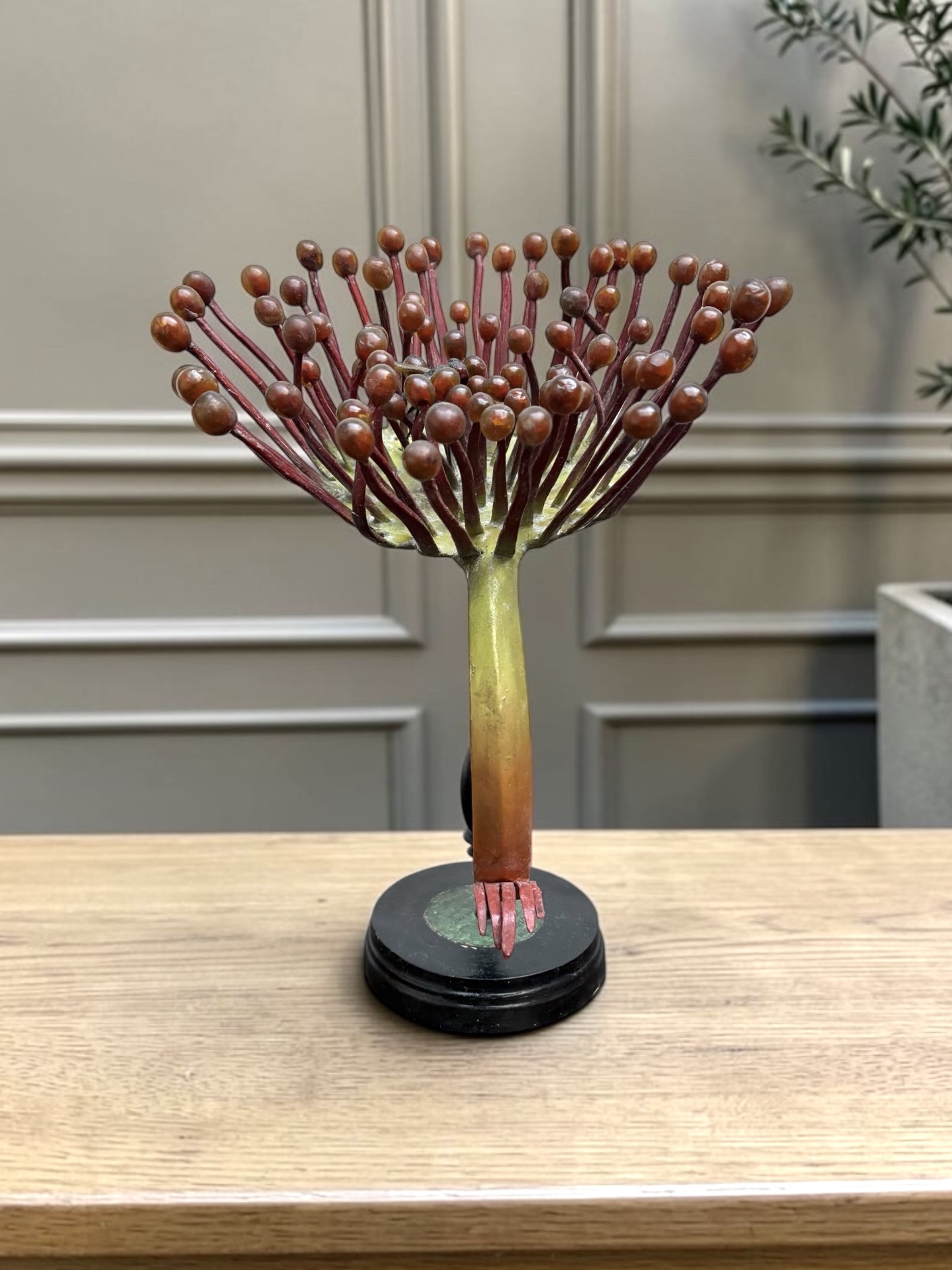
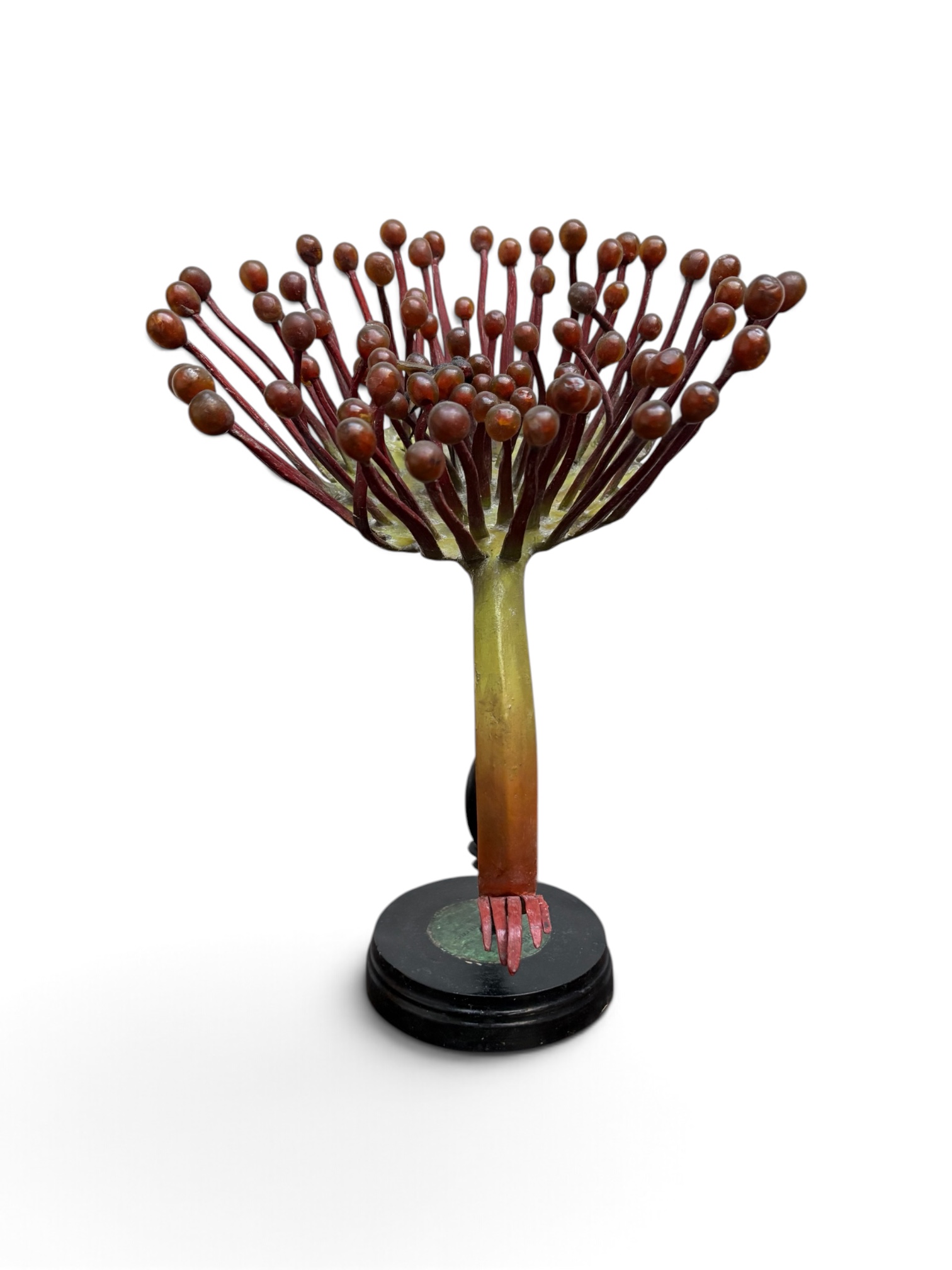
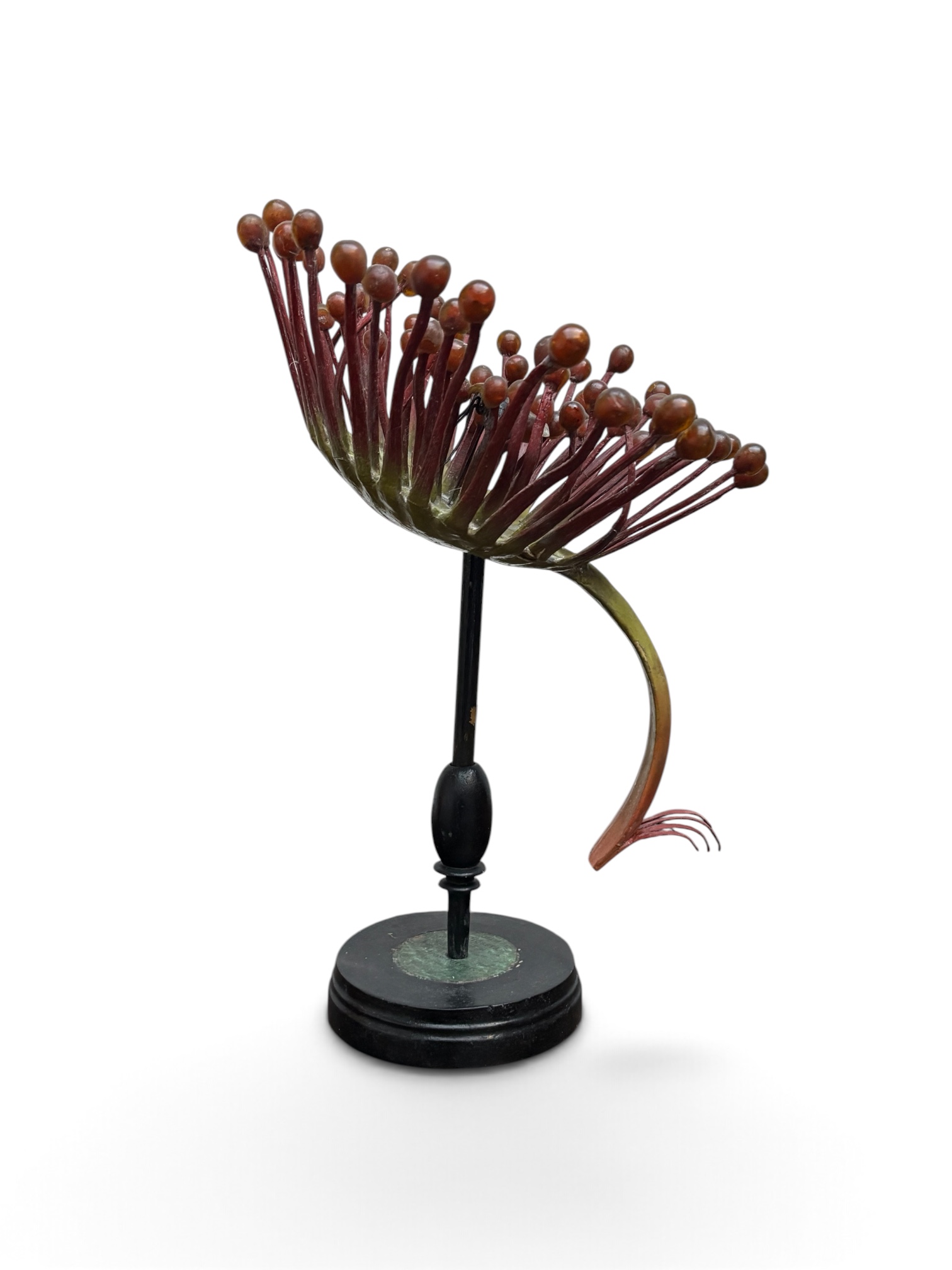
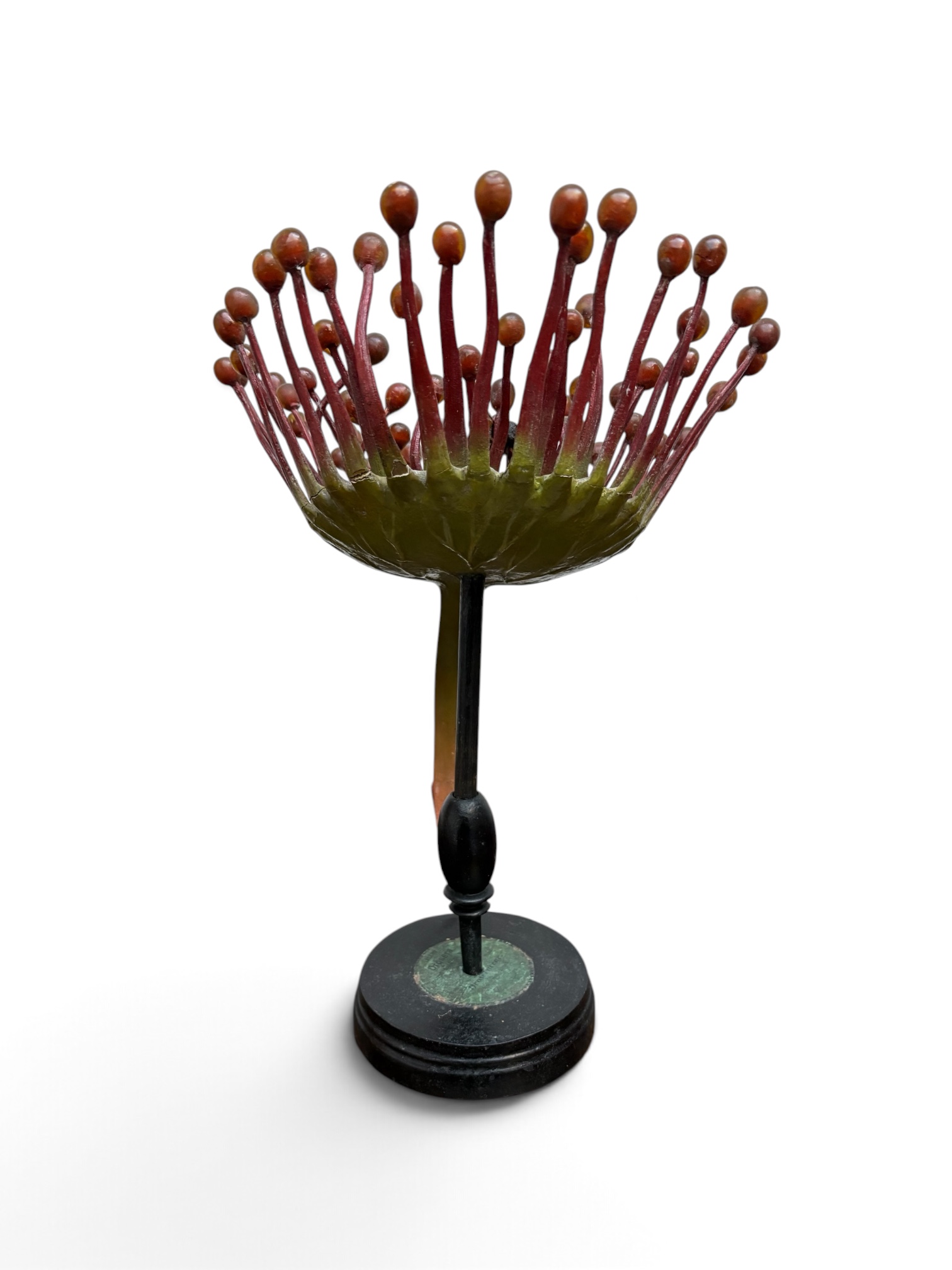
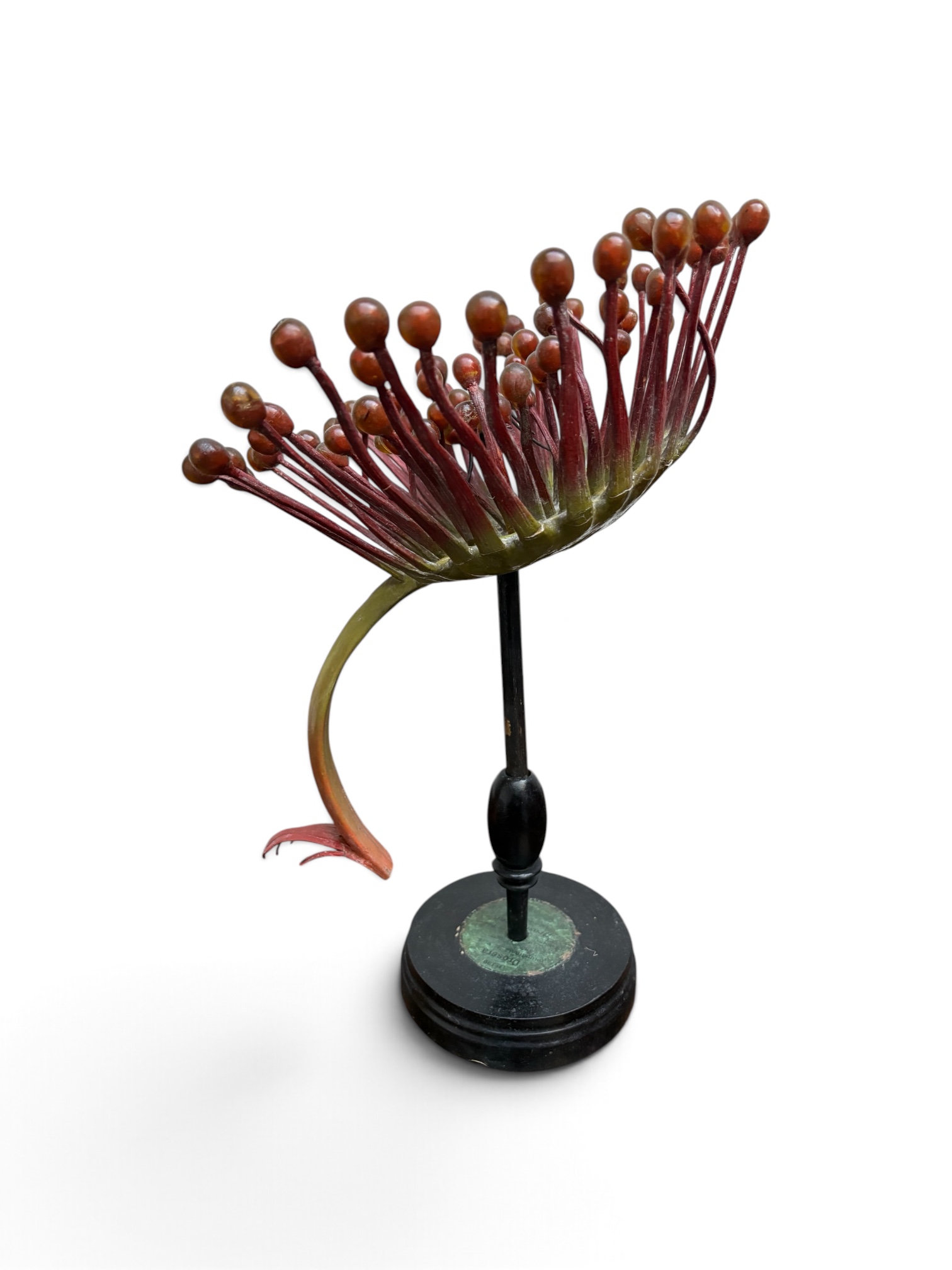

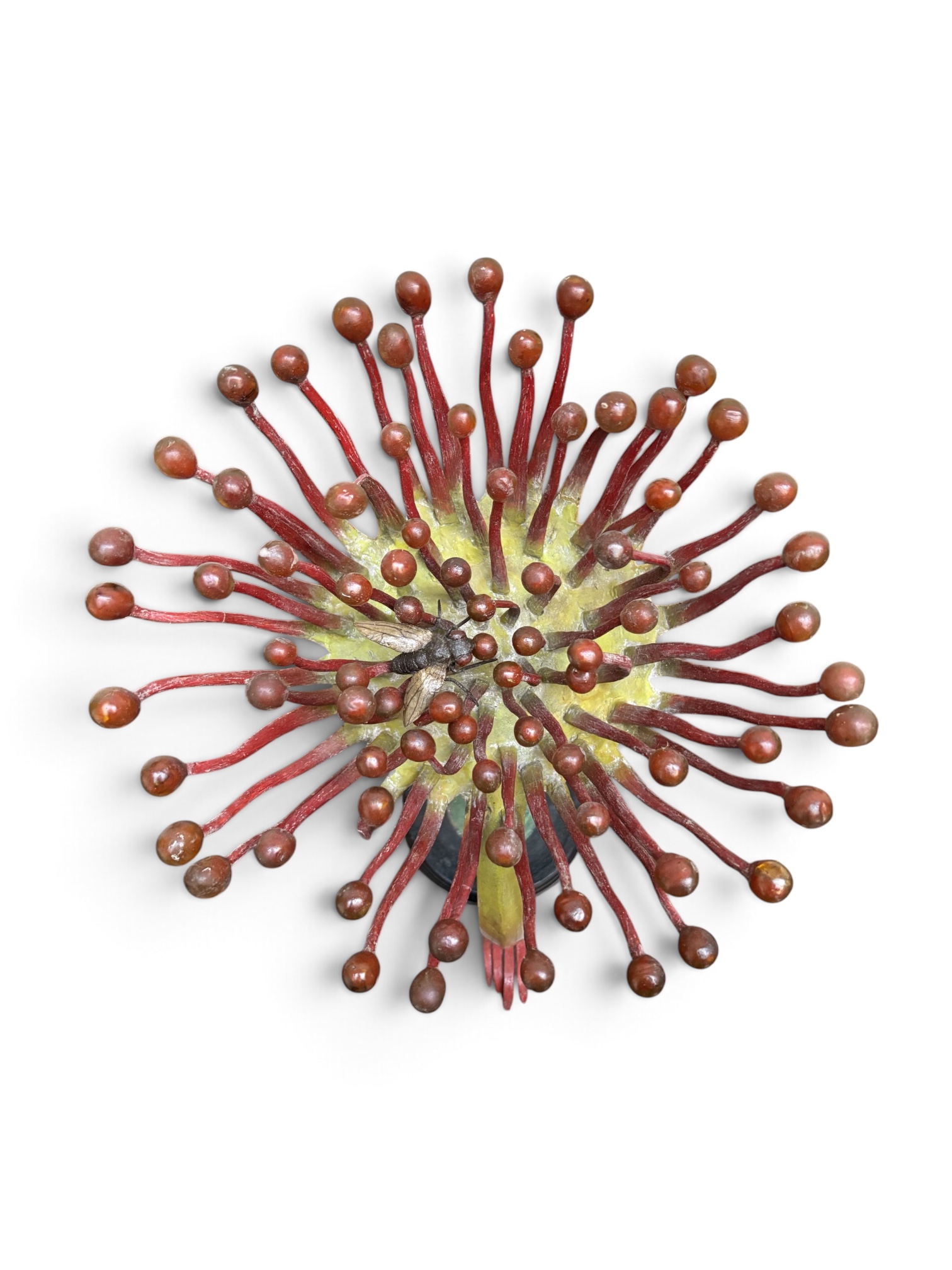
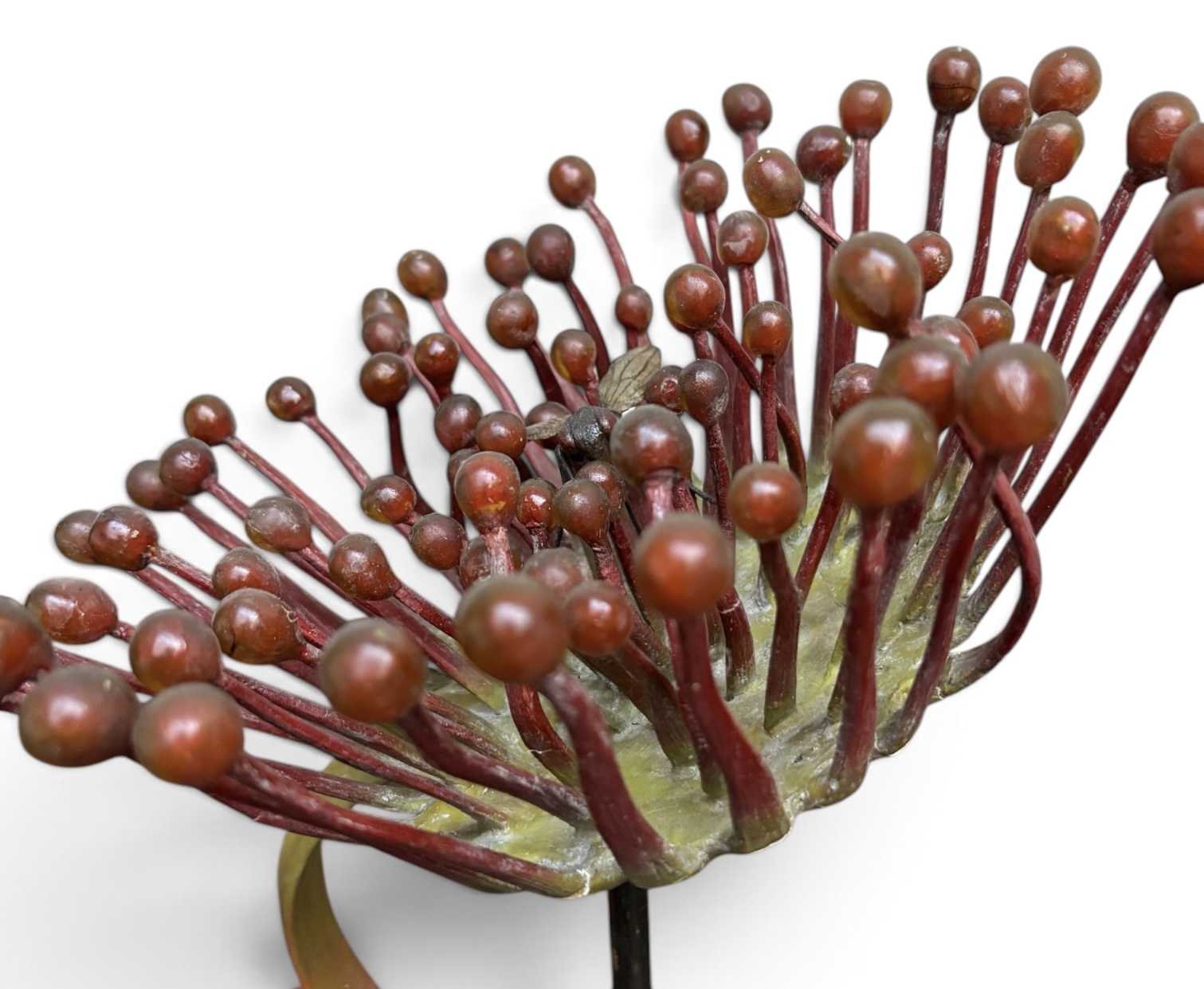

A Large Botanical Teaching Model of a Sundew (Drosera rotundifolia), Late 19th Century Robert and Reinhold Brendel, Germany
An enlarged botanical teaching model of Drosera rotundifolia, commonly known as the round-leaved sundew, a carnivorous plant distinguished by its ability to trap and digest insects.
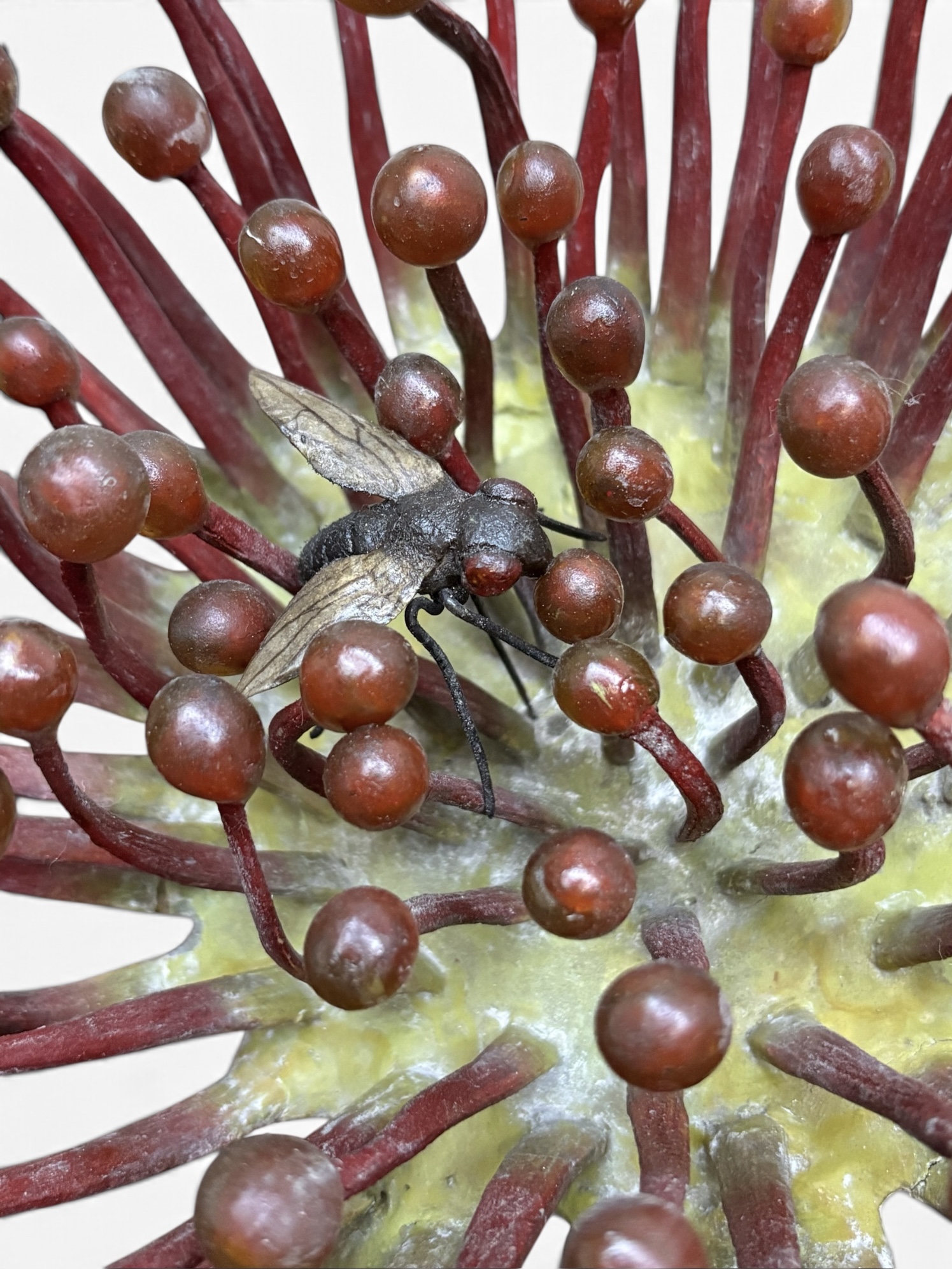
The model depicts a single leaf with numerous slender, reddish tentacles radiating from its surface, each terminating in a rounded gland. A carefully modelled fly is caught amongst the tentacles, illustrating the plant’s method of capturing prey. The leaf is supported on a curved stem and mounted on a turned, ebonised wooden base.
Sundews inhabit nutrient-poor environments, where they supplement the nutrients obtained through their roots by capturing insects. Their leaves are covered with glands that produce a sticky secretion, attracting and trapping small insects before digestion takes place.
Produced by the German firm of Robert and Reinhold Brendel, whose botanical models were widely used in schools and universities during the late 19th and early 20th centuries, this example demonstrates the specialised anatomy of a carnivorous plant. The inclusion of the trapped fly is an unusual feature, providing a direct illustration of the plant’s feeding mechanism.
H 39 x W 27 x D 24
£6,600.00