
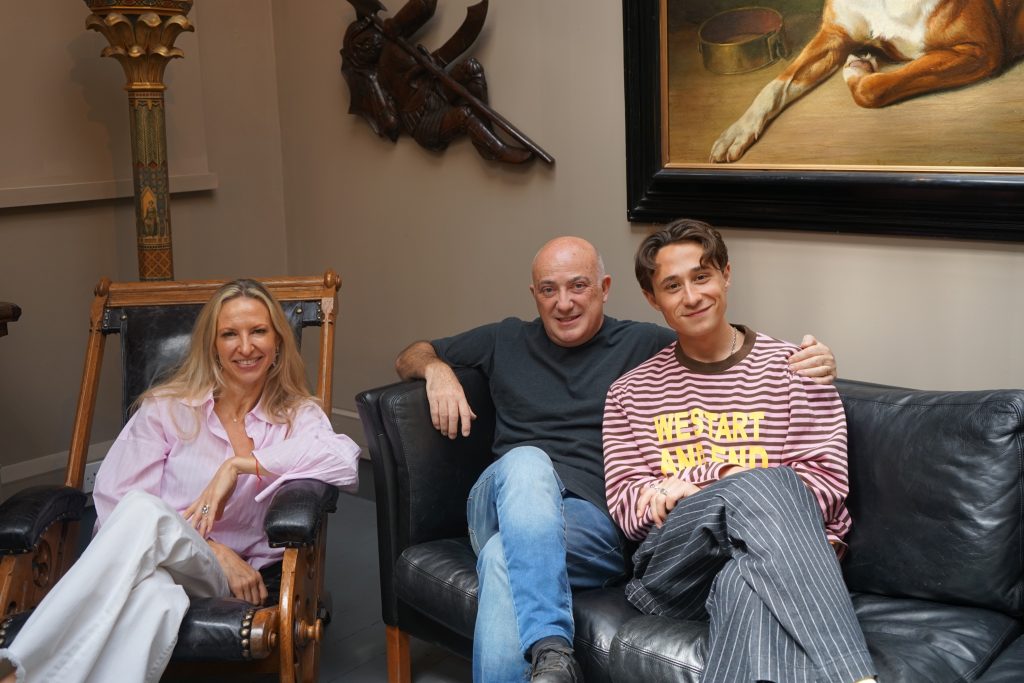
After a particularly gruelling day of shlepping and hanging in our new showrooms, sitting down with Maria and Tom sipping a well-deserved cup of tea and or coffee, we got chatting. Tom of course, who always poses great questions asked me what my favourite piece is, in our current stock. It’s a great question. I think, asking an antique dealer to choose his favourite piece is a bit like asking a parent to choose their favourite child. The truth is, I am fickle. My favourites change. That’s the beauty of being an antiques dealer. One can fall in love with a piece on Thursday and then move on to another on Saturday while always carrying a flame for one’s old loves. My lifestyle is such that I am on a constant romantic journey in pursuit of historic beauty (though Sylvie my wife of 30 years thinks my concept of beauty a little bit strange, unless it comes to her of course). I love discovering the social history behind a work of Art. Uncovering a story can be fascinating. It can also be heartbreaking. I believe the art we handle is a bridge to our past and a gateway to our future. Each piece tells a story, a whisper if you like, from a bygone era, waiting to be heard and cherished once more. What speaks to me, speaks to Maria and Tom differently. That’s the wonder of dealing, the fascination of collecting.
So I flipped the question to Tom and asked him what Tom’s Top Ten are. And with the confidence of youth and fortified by an Americano with unhesitating confidence, he answered.
And here are just some of his favourite things as Mary Poppins would say…..
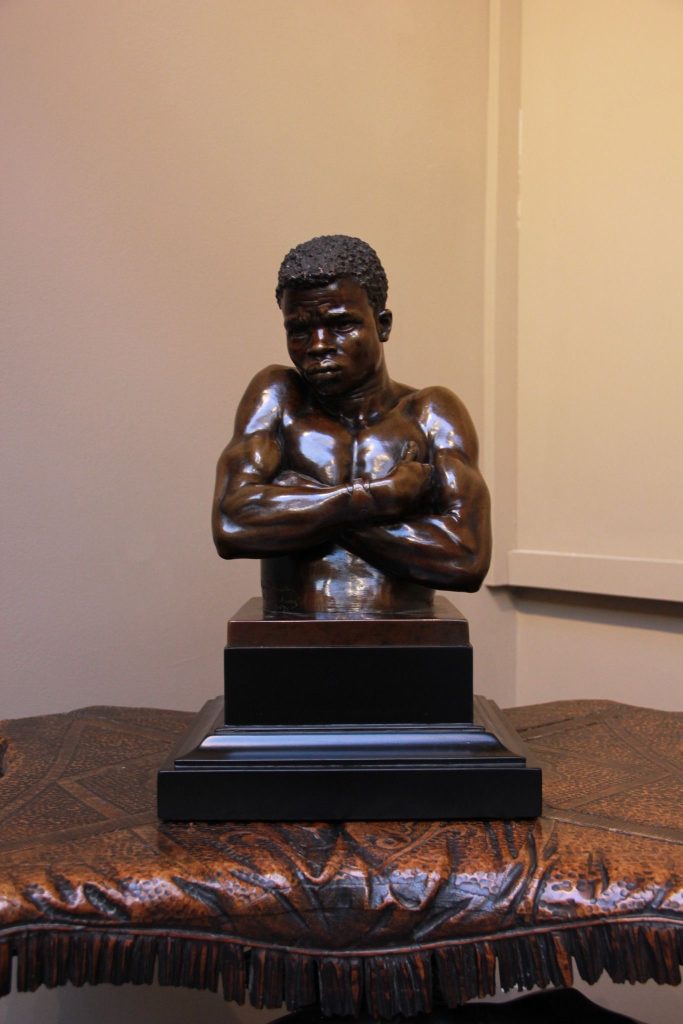
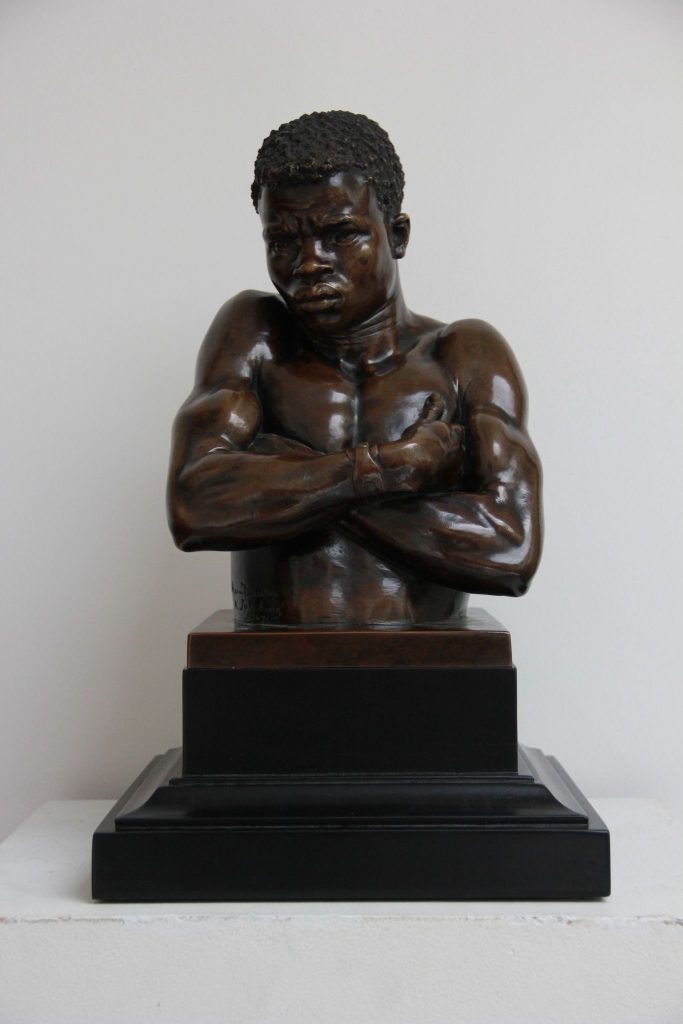
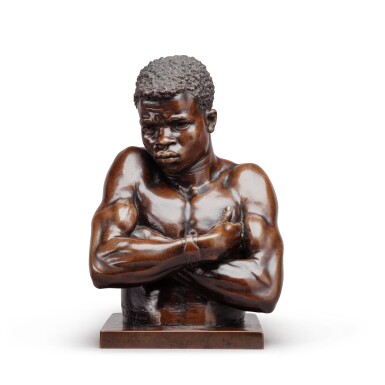
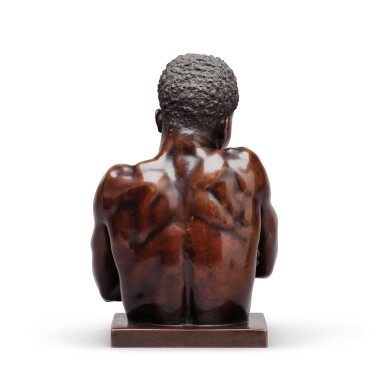
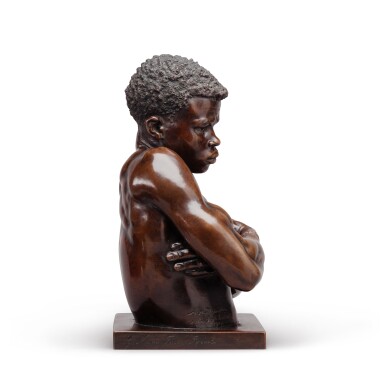
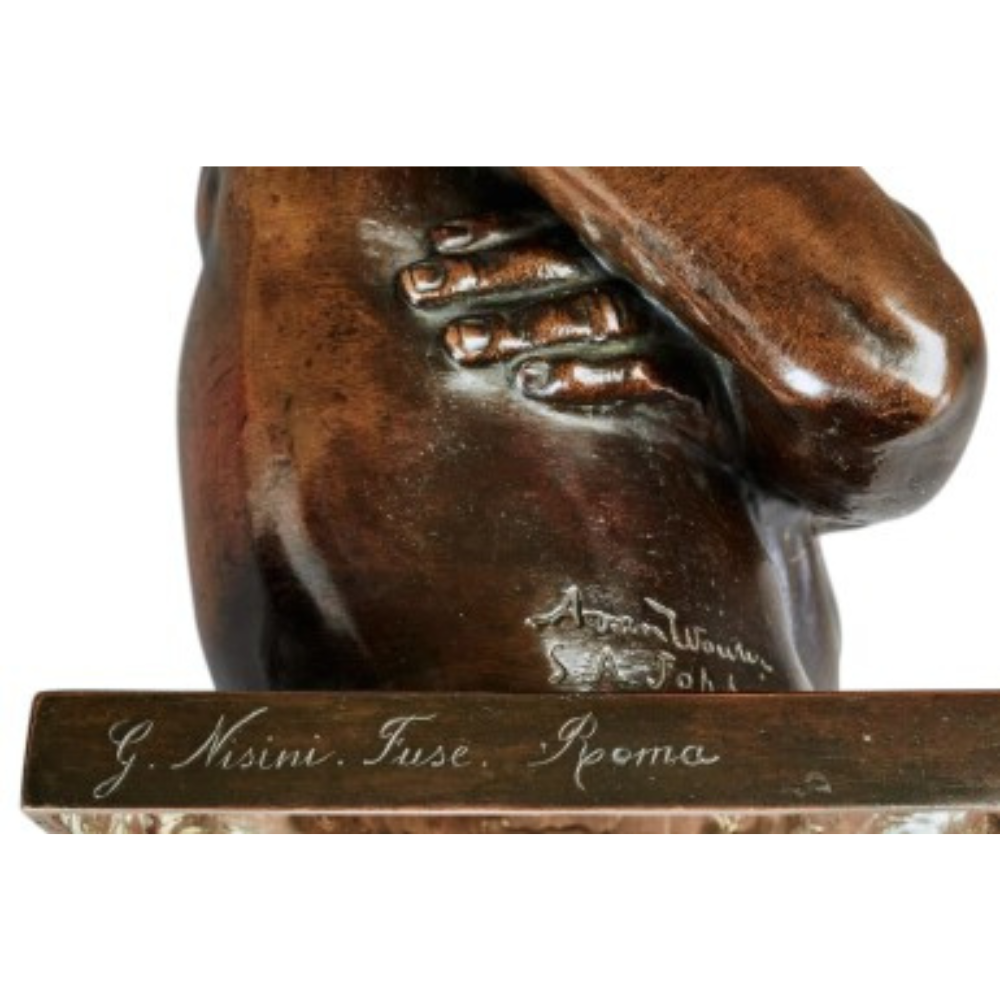
Price – £65,000
Dimensions: 30 by 20 by 15cm (including base)
The history and social context behind this bronze is fascinating.
The profitability of the South African gold-mining industry depended on the supply of cheap labour from neighbouring countries, including present-day Tanzania, Zimbabwe, Botswana, and in particular Mozambique. The Portuguese colonial government allowed an annual recruitment of 100,000 labourers from the rural southern provinces of Mozambique, where the Shangaan people lived, accounting for up to 60% of underground mine workers in the Transvaal. The Shangaan were forced to pay for their own visas, transport and clothing, and to work in harsh and dangerous conditions, while their salaries were deferred, paid in gold directly to the Portuguese government.
Anton van Wouw was one of the only artists of the day to examine the plight of these urbanised migrant labourers and the terrible working and living conditions they endured.
Shangaan was conceived and first modelled in the artist’s Doornfontein studio in Johannesburg in 1907. Having recently moved there from Pretoria, and having won the backing of investors to work on what he pleased, Van Wouw enjoyed one of his most creative streaks during that year. Thanks to Van Wouw’s powers of observation, the young Shangaan man bristles with defiance. His head tilts forward with a furrowed brow, eyes narrow, lips pursed, arms crossed, and fingers tucked under armpits, exaggerating his biceps.
Tom finds this piece particularly compelling because it captures a moment of raw emotion and resilience. The defiant posture of the young Shangaan man speaks volumes about the strength and determination of those who endured such harsh conditions. Tom appreciates the way Van Wouw’s artistry brings to life the struggles and spirit of the Shangaan people, making this bronze not just a work of art, but a powerful historical narrative. It’s a piece that resonates deeply with Tom, reminding him of the importance of acknowledging and preserving the stories of those who came before us.
Literature
ML du Toit. (1933) Suid-Afrikaanse Kunstenaars, Deel 1, Anton van Wouw. Cape Town: Nasionale Pers Bpk, another cast illustrated as plate 15, unpaginated.
Dr Morris J Cohen. (1938) Anton van Wouw: Sculptor of South African Life, Johannesburg, another cast illustrated on page 19.
AE Duffey. (1981) Anton van Wouw 1862-1945 en die Van Wouwhuis, University of Pretoria, number A21, another cast illustrated on page 29.
AE Duffey. (2008) Anton van Wouw: The Smaller Works. Pretoria: Protea Books, another cast illustrated on page 63.
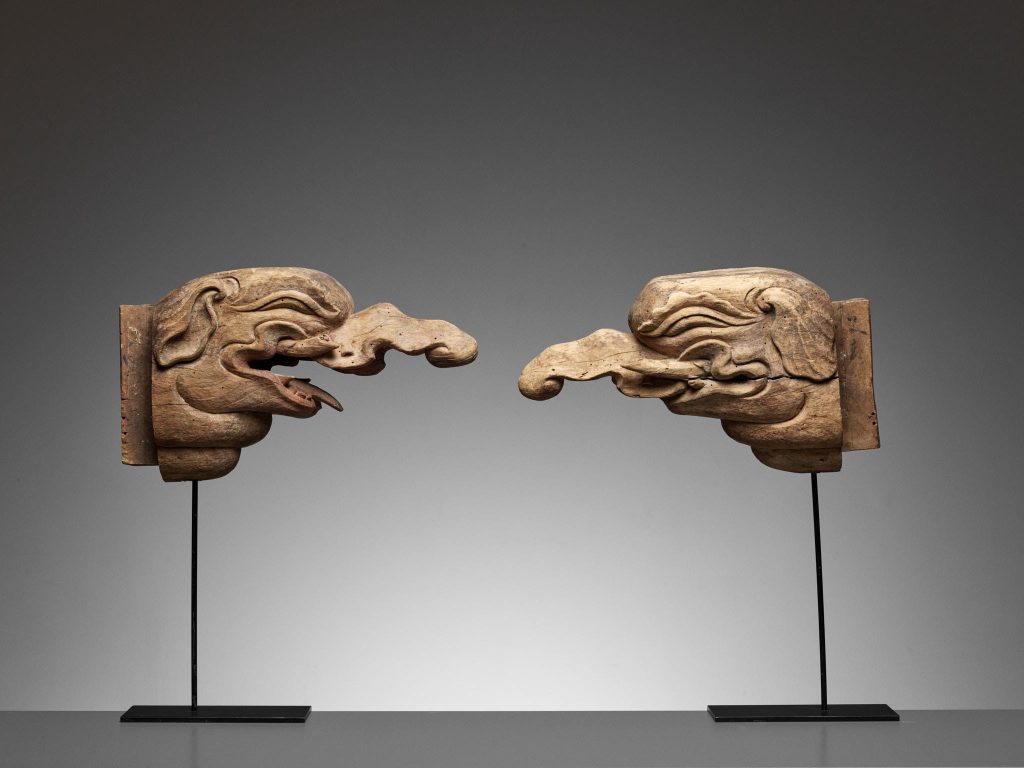
Price: £6,500
Length 40 cm (each)
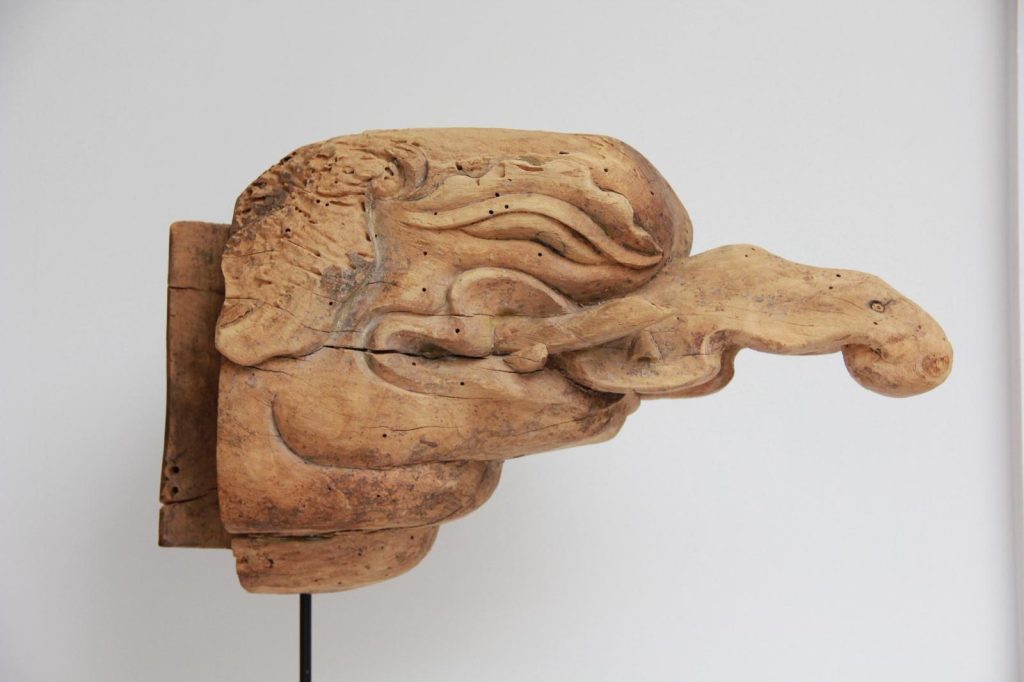
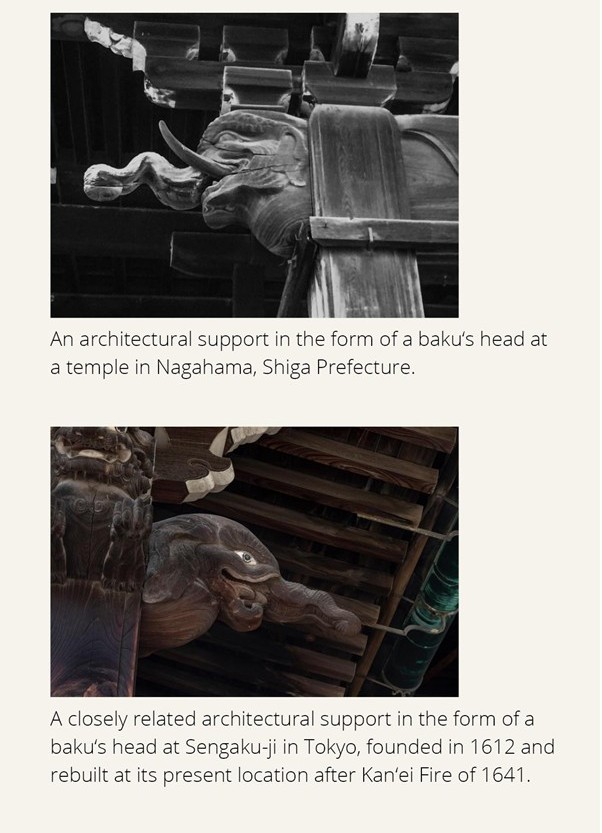
Japan, late Kamakura (1185-1333) to Muromachi period (1336-1573)
The architectural supports, sometimes also called corbels, are finely carved as the heads of two Baku, one with his mouth wide open to reveal tongue and teeth, the other with his mouth closed. Both with prominent tusks and ears, showing a fierce expression marked by slanted eyes with thick brows.
Condition: Good condition with natural age cracks, splits, and holes due to insect activity. Minor chipping and small losses. Remnants of pigment.
Provenance: From a noted private collection in New York City, USA. Each applied with an old paper label reading: 唐獅子、鎌倉時代 “Karashishi, Kamakura jidai” [Chinese lions, Kamakura Period].
Each with an associated metal stand.
Baku are Japanese supernatural beings that are said to devour nightmares. According to legend, they were made from the spare pieces that were left after the gods had finished creating all other animals. Baku heads are commonly placed under the eaves of Japanese Buddhist temples and Shinto shrines to ward off bad spirits. They are protectors against evil, devourers of nightmares, but cannot be summoned without caution, because – as legend tells – when Baku is not satisfied after consuming the nightmares, he may devour one’s hopes and dreams too. The open-mouthed Baku scares off demons and the closed-mouthed shelters and keeps in good spirits.
To Tom, these Baku elements are not just decorative items; they’re powerful symbols of protection and caution. Plus, their provenance from a noted private collection in New York City adds to their allure. They would make a remarkable addition to any collection.
Price: £6,500
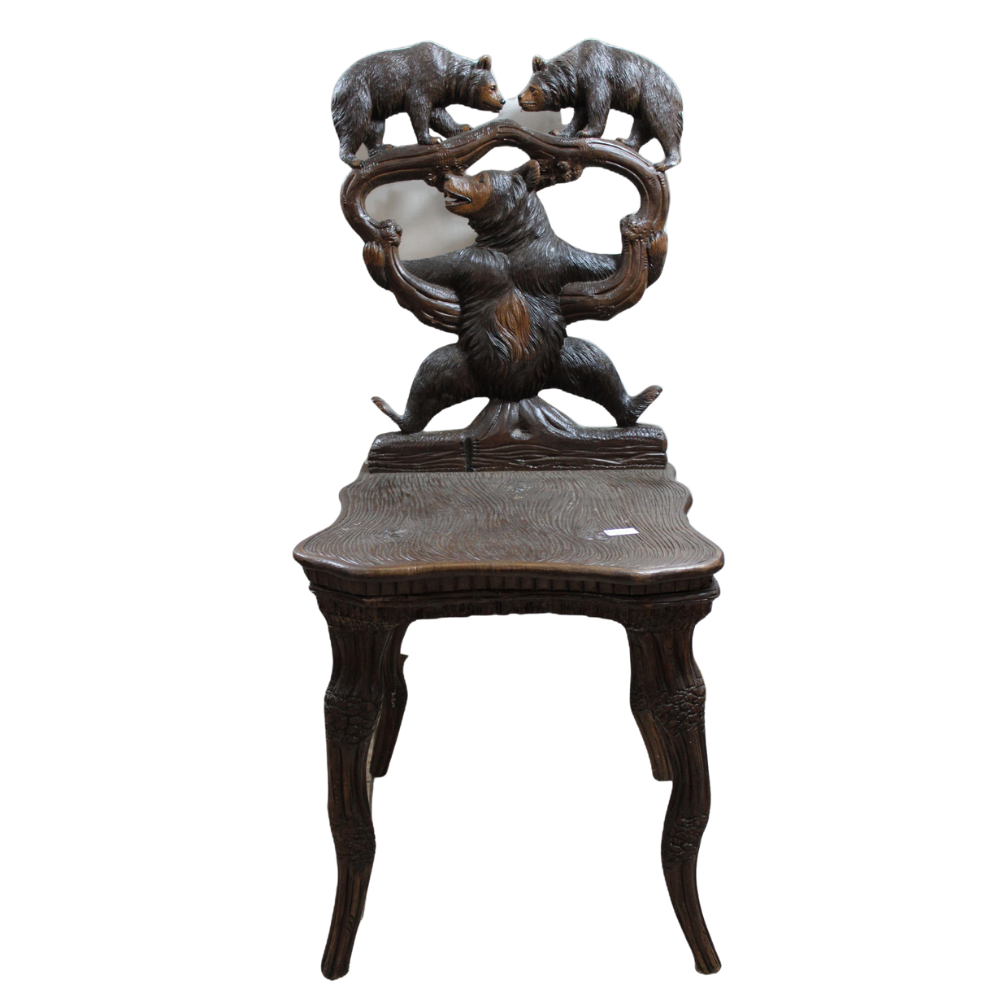
A Rare Beautifully Carved Swiss “Black Forest” Musical Bear Chair Circa 1920 Retailed by Ed Jobin & Co Brienz. To make the music box play, one simply sits on the chair. A case of musical bears as much as musical chairs. For the exact same model see Jay Arenski and Simon Daniels Swiss Carvings the Art of the Black Forest p140 illustration 224.
The chair’s ability to bring a smile and a sense of joy is likely what resonates with Tom, making it one of his favourite pieces.
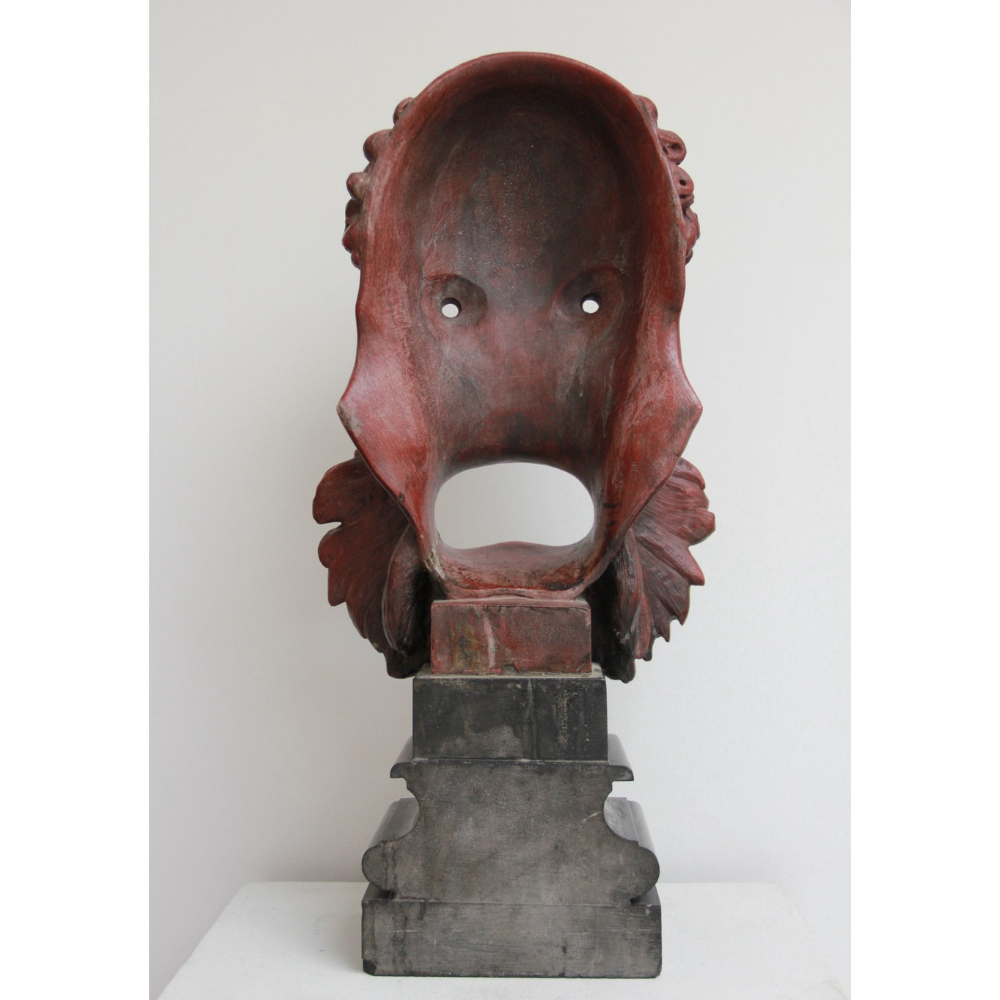
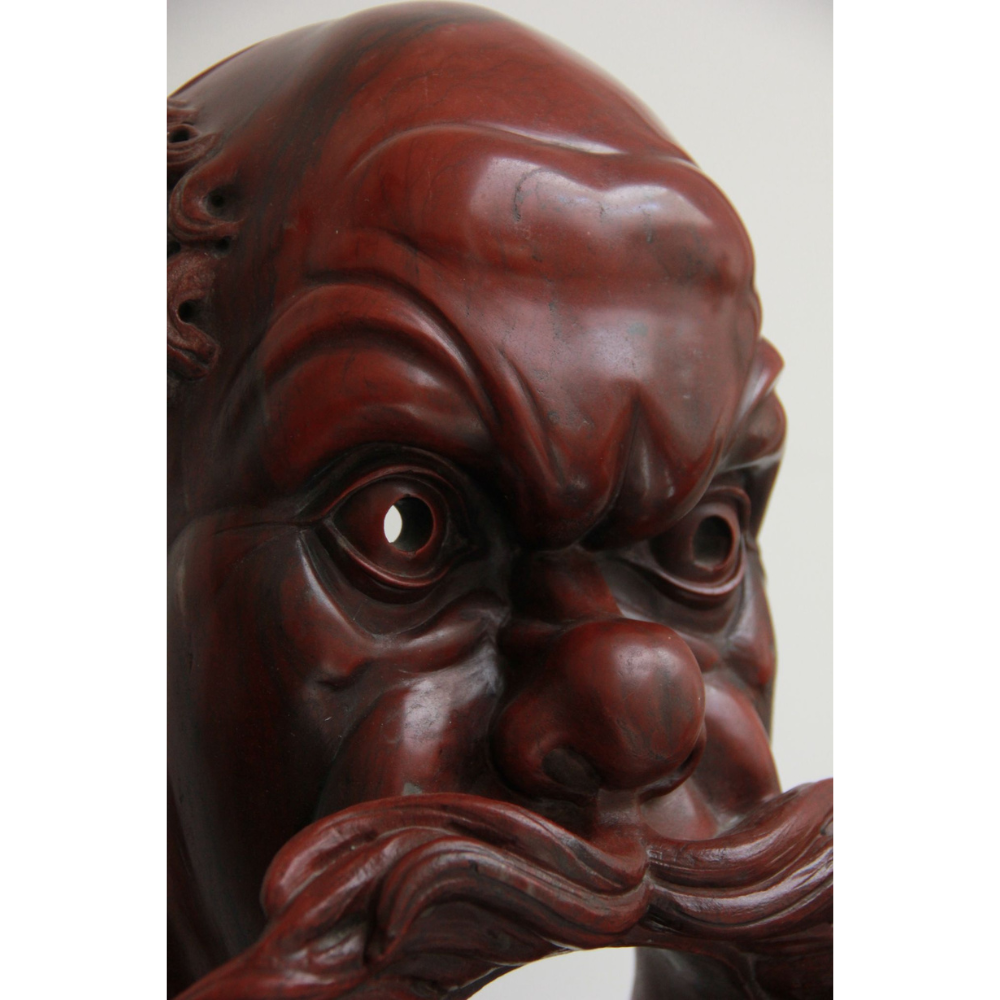
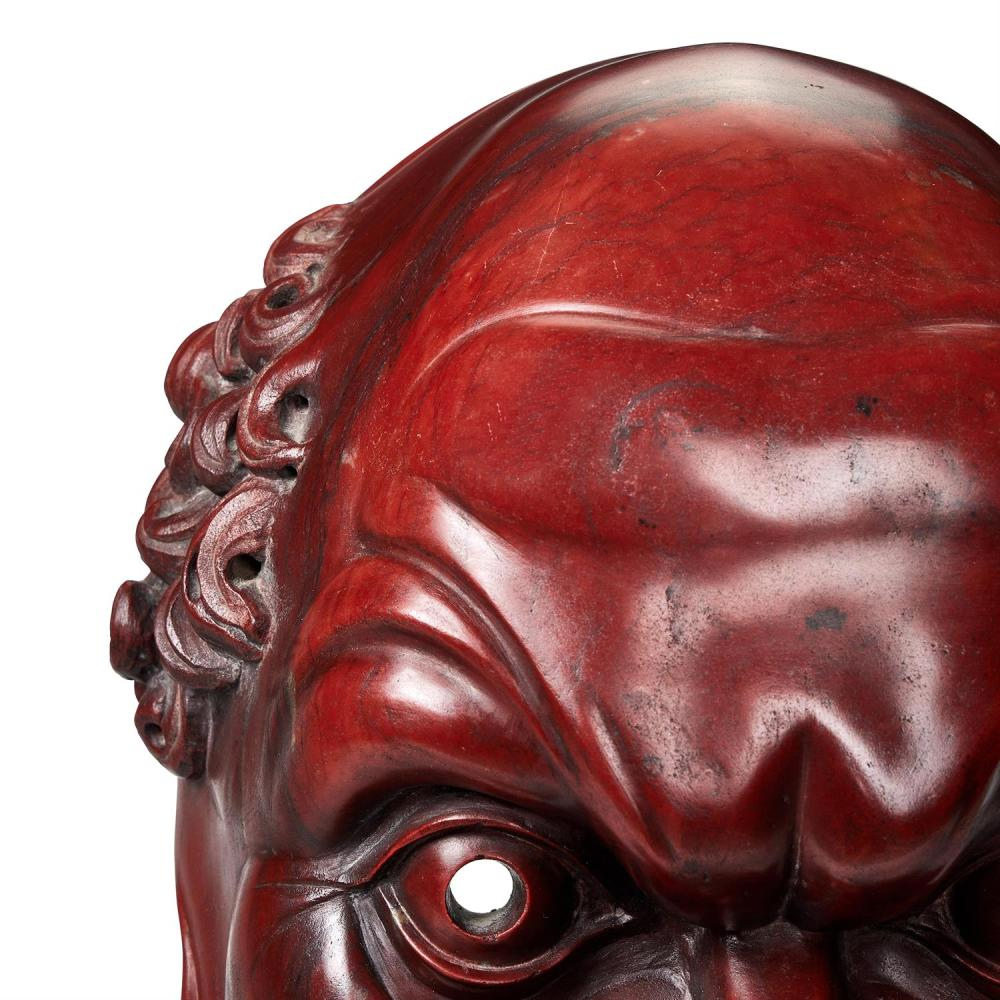
Price: £16,500
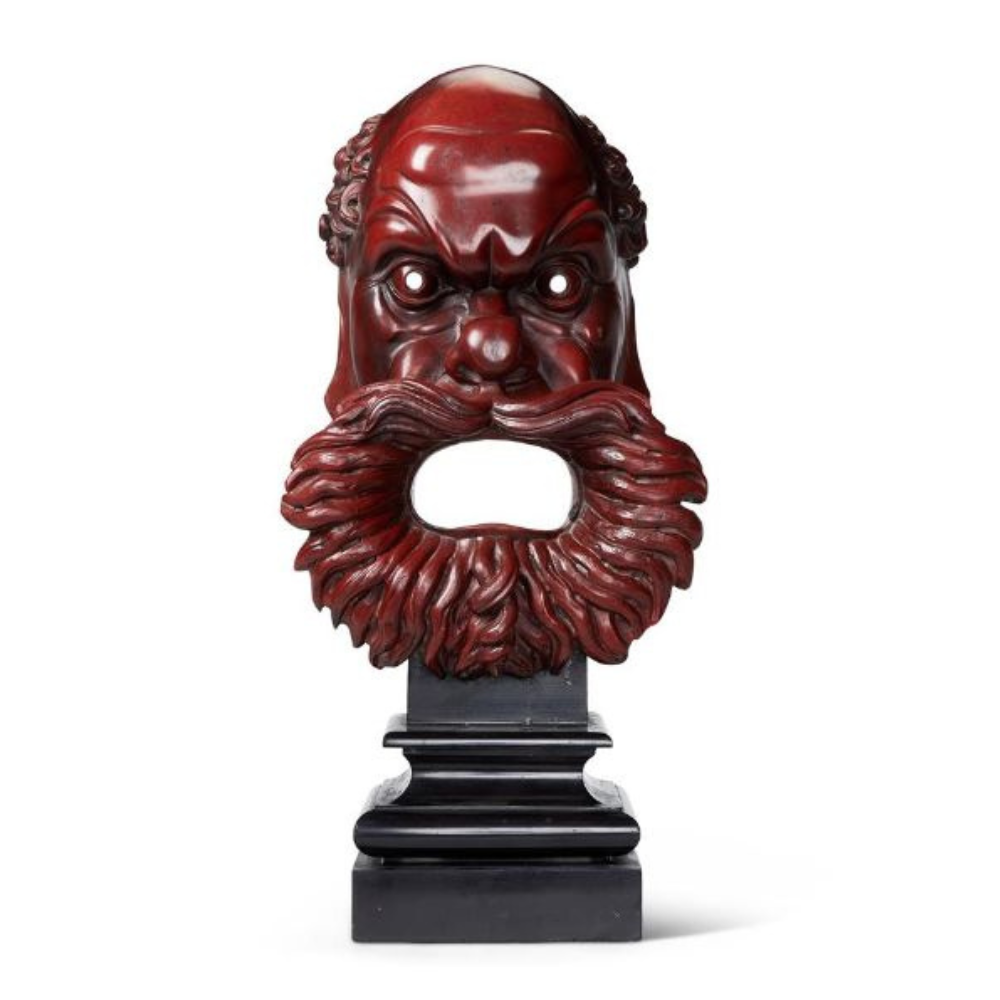
The mask or ‘mascaron’ of Greek theatrical form, set on a polished black marble base overall height 56cm, base 18cm wide, 13.5cm deep Provenance: Daniel Katz Ltd. London, where purchased by Count Manfredi della Gherardesca Benedetto Boschetti (active c.1820-1870) exhibited at the Crystal Palace Exhibition 1851 where he won a medal for a pair of mosaic tables in the Byzantine style, representing the Triumph of Love and the Blessed Soul. The Boschetti workshop at 74 Via Condotti, Rome, was renowned for the exceptional quality of its copies, mostly in marble of Antique vases and objects, for example a rosso antico reduction of the Warwick vase in the Toledo Museum, Ohio (A. Gonzalez-Palacios, Il Tempo del Gusto, Roma e il Regno delle Duo Sicilie, Milan, 1984, Vol II, fig.286). F.S. Bonfigli noted in 1856 that ‘The Establishment is particularly conspicuous for its great variety of marble works, bronzes, etc.’ (A. Gonzalez-Palacios, The Art of Mosaics, 1982, p.166). Pieces by Boschetti are in many public and private collections, including that of Mario Praz, the famous Italian critic and connoisseur (now held in the Museo Mario Praz, Rome). In Greek theatre of the third and second century BC, all performers, except musicians, wore masks. A full-face character mask would probably originally have been in painted, starched linen when worn on the stage. Much admired- these masks were often reproduced in stone, terracotta or, occasionally as here, in more expensive marbles. Perhaps the best known collection, now housed in the Cortile del Belvedere, Vatican Museums, adorned the odeon (theatre) at Hadrian’s Villa. The Grand Tour saw a considerable rise in interest and use of the mask as a decorative device- reaching its apogee in the work of Thomas Hope. In part the interest was driven with the publication in the mid-18th century of “Le Maschere Sceniche e le Figure Comiche d’Antichi Romani” by Francesco de’ Ficoroni (1664-1747).
Tom’s appreciation for this piece likely stems from his own love of theatre. The mask’s historical significance and its role in Greek theatre resonate with him, making it a powerful symbol of the art form he cherishes.
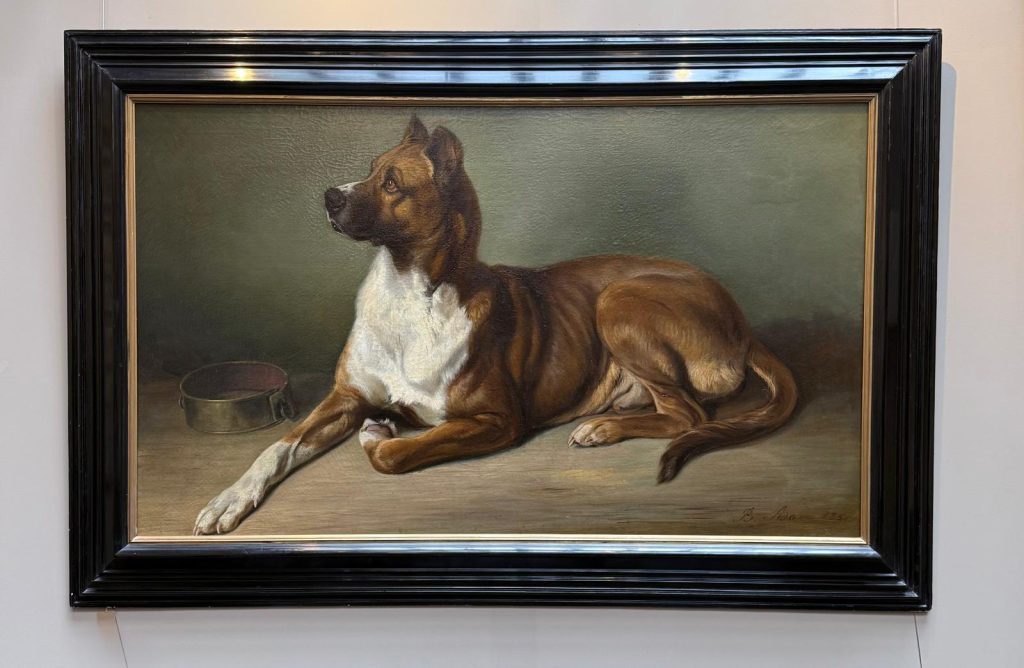
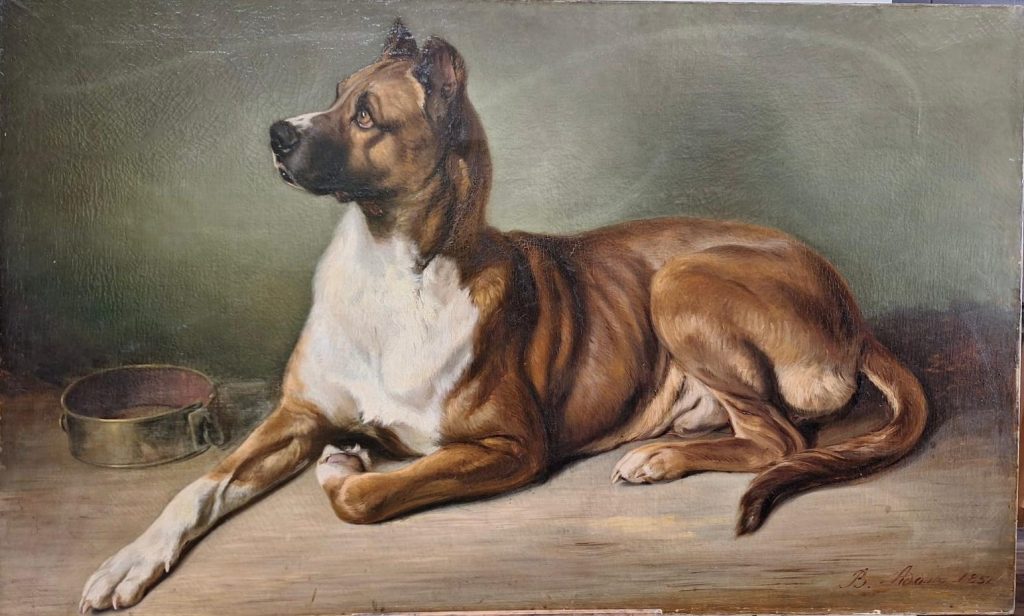
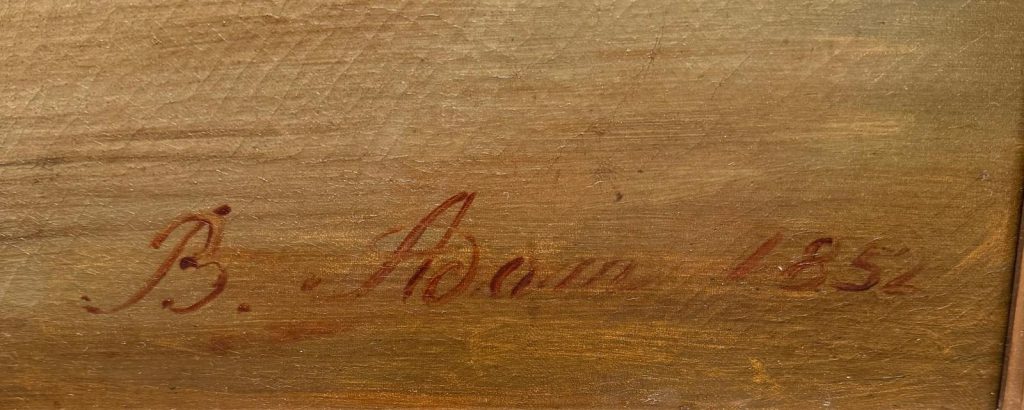
Price: £18,000
Dimensions: 90cm by 152cm
Benno Rafael Adam (Munich 1812 – Ketheim 1892) has been described as ‘the German Landseer’ (see S. Mitchell, The Dictionary of British Equestrian Artists, Suffolk, 1985, p.67). Born into an artistic family, he was son of the horse painter Albrecht Friedrich Christopher Adam (1786-1862) and his brothers included the artists Franz Adam, Eugen Adam and Julius Adam. Benno’s son, Emil Adam (1843-1924) was also an accomplished sporting artist; patronised across the continent, his English patrons included the Prince of Wales (Edward VII) and the Dukes of Westminster and Portland. 90cm by 152cm
Tom’s love for this painting stems from its connection to the artist’s legacy and the emotional depth it portrays. The painting captures a moment of anticipation and loyalty, themes that are universally relatable and evoke a sense of nostalgia and admiration for the bond between humans and animals. Of course Tom was brought up with dogs and Jay’s dog Kira the Rhodesian Ridgeback particularly loves hanging out with Tom.
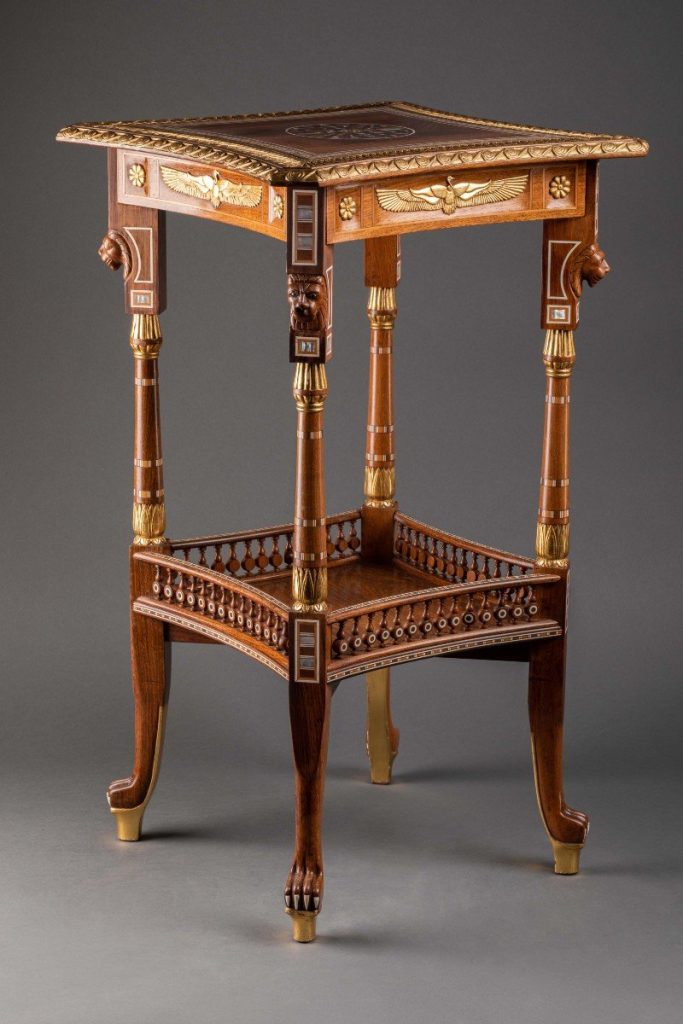
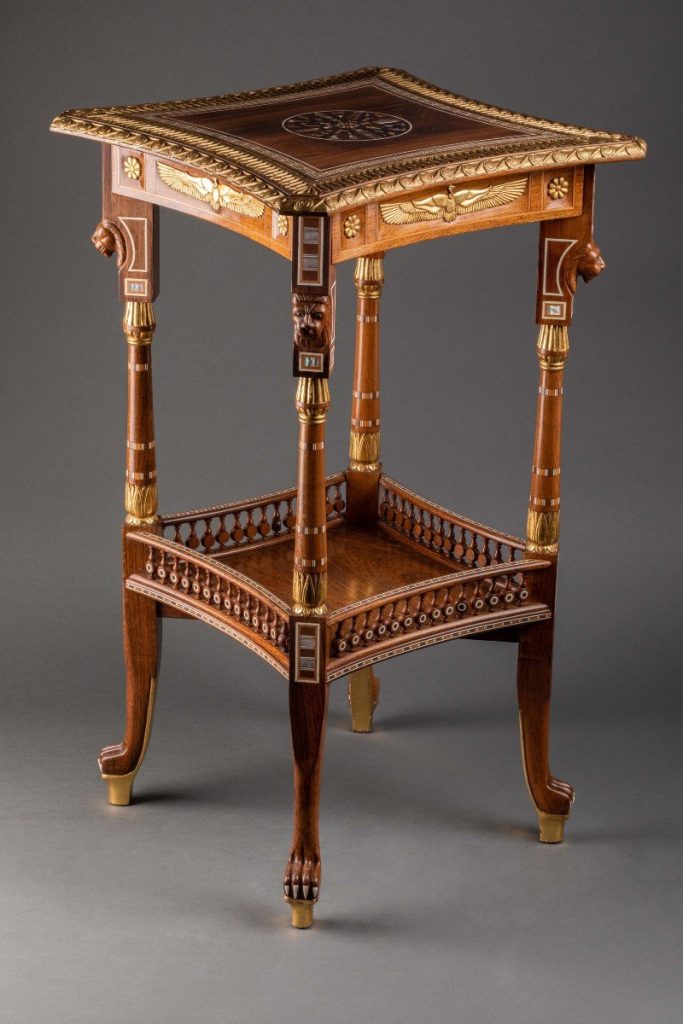
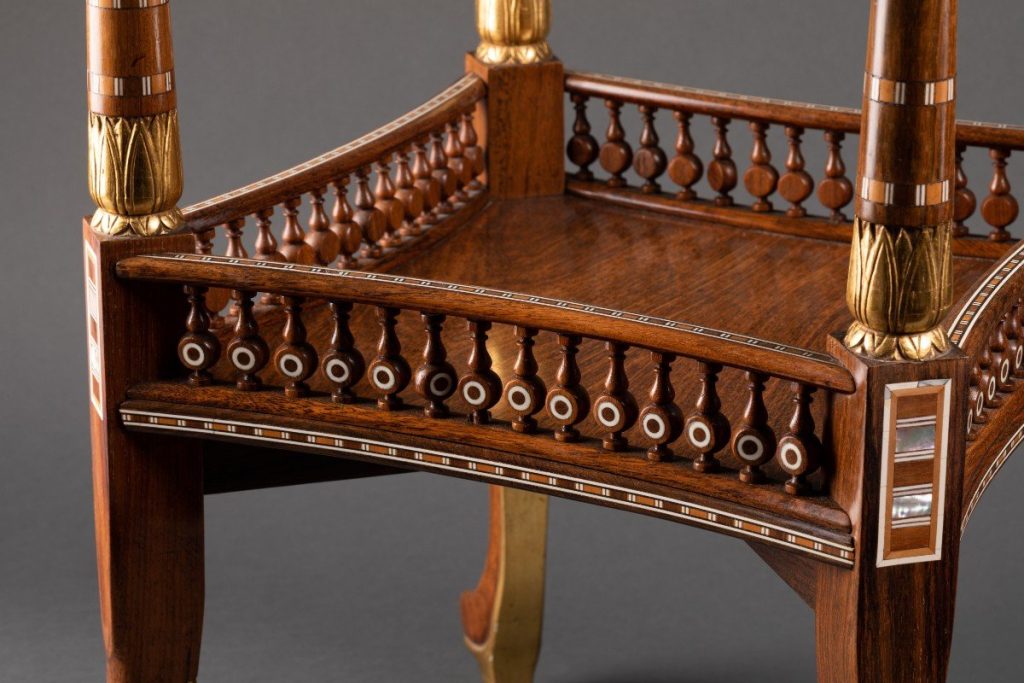
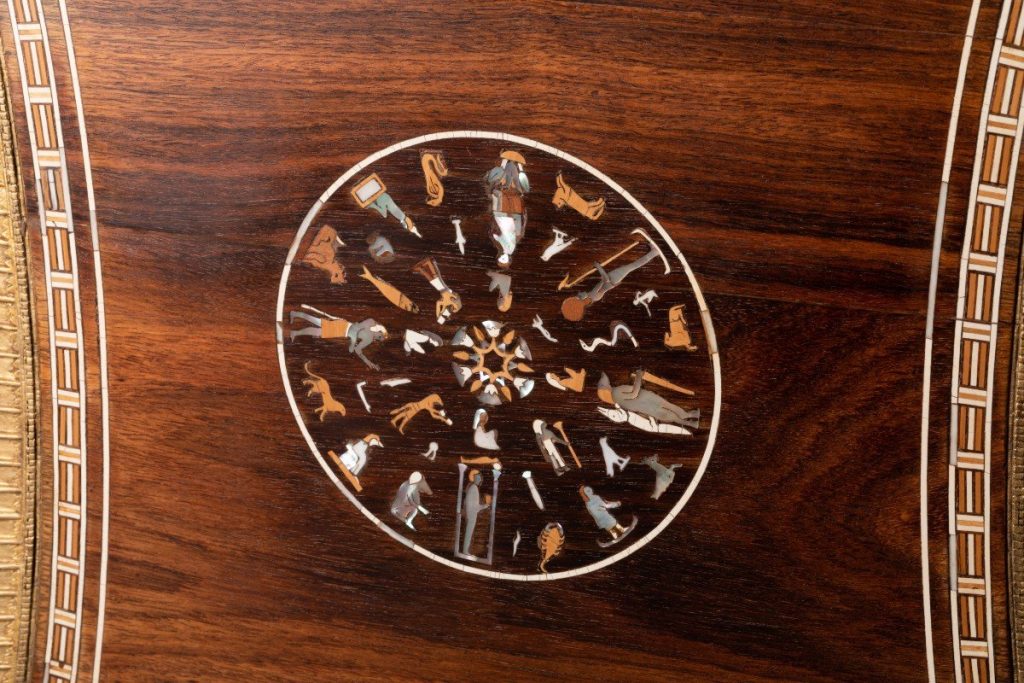
Price: £14,500
Dimensions: 44 cm x 75 cm x 44.5 cm
English in the classical style of Lawrence Alma Tadema attributed to Johnstone, Norman & Co
Sir Lawrence Alma-Tadema (1836-1912) primarily designed furniture himself, but it was typically manufactured by the firm Johnstone, Norman & Co. in London. He also worked with other firms like Edward Poynter and Frederic Leighton, and his furniture can be found in places like the Marquand Music Room and Leighton House.
Tom appreciates how this piece embodies a blend of different cultural elements, merging the grandeur of ancient Egyptian design with the craftsmanship of 19th-century European furniture makers. This fusion of styles speaks to Tom’s admiration for art that transcends cultural boundaries and highlights the interconnectedness of different artistic traditions.
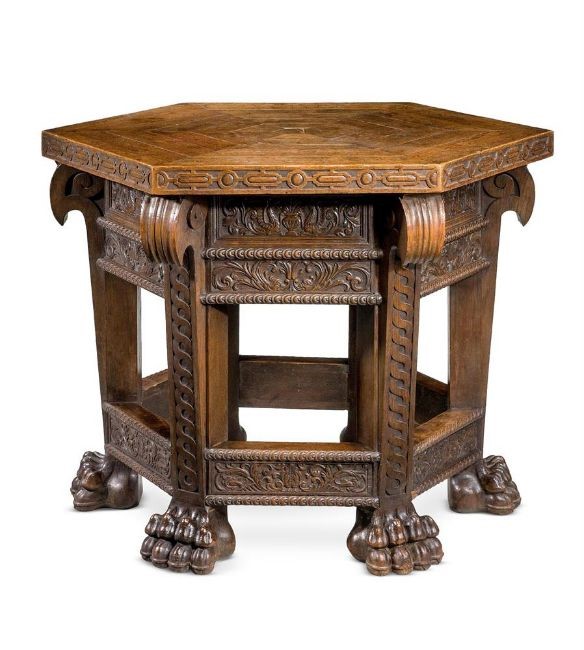
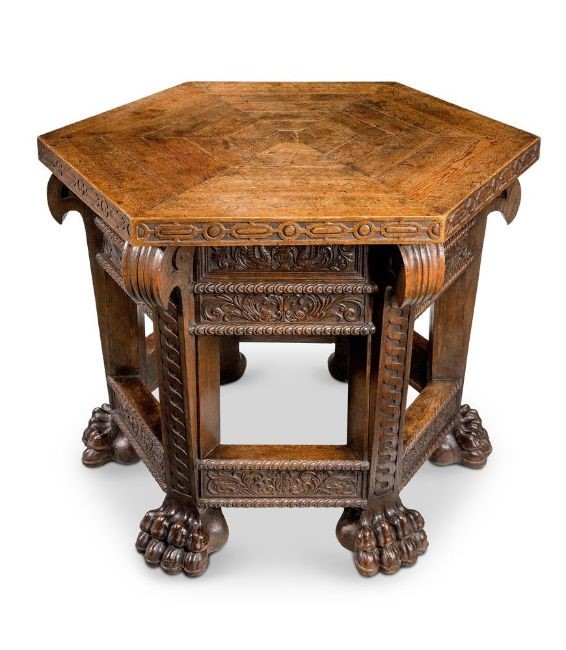
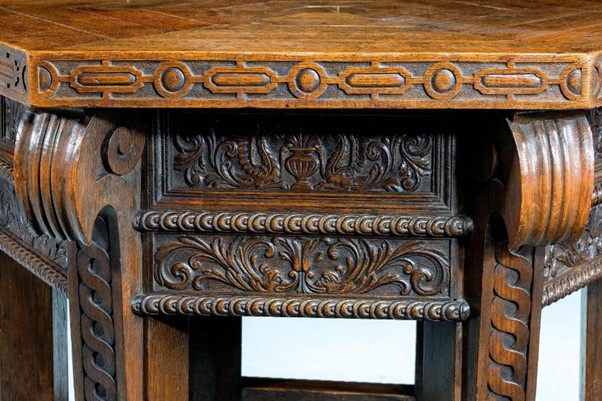
Price: £5,400
Dimensions: 85.5cm high, the top 113 x 98cm
Provenance: Barnwell Manor
Tom’s appreciation for this table stems from his recognition of the craftsmanship and historical continuity it represents. The fact that in the 19th-century the style was so admired that it was copied speaks to its lasting influence and the skill involved in its creation. This connection between different periods and the preservation of artistic traditions resonates with Tom.
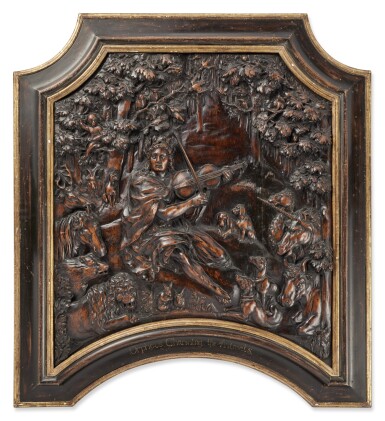
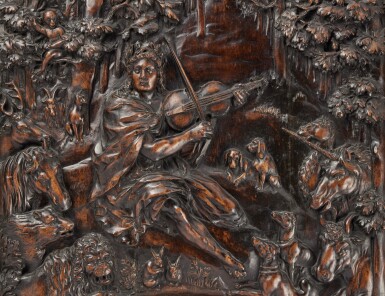
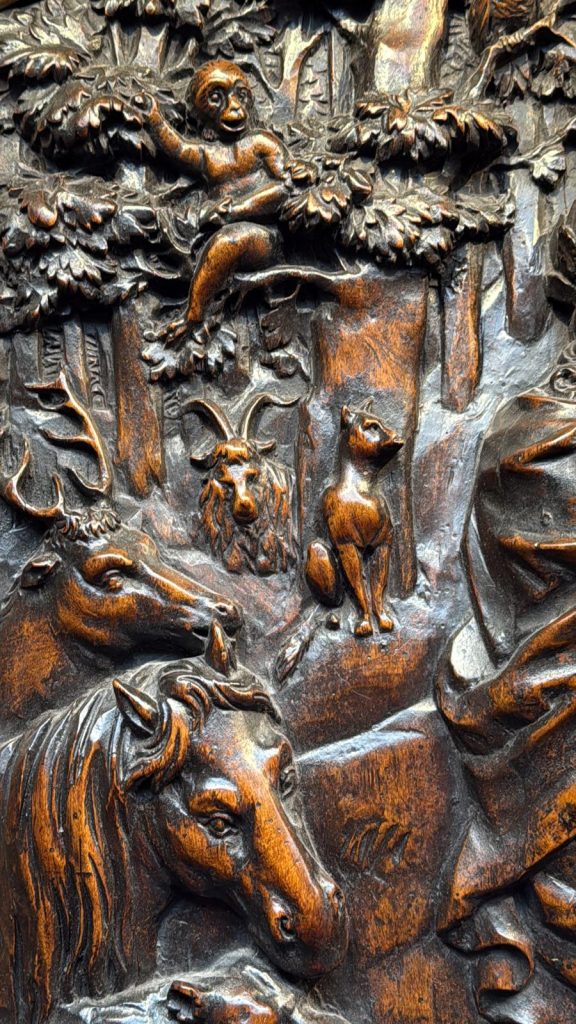
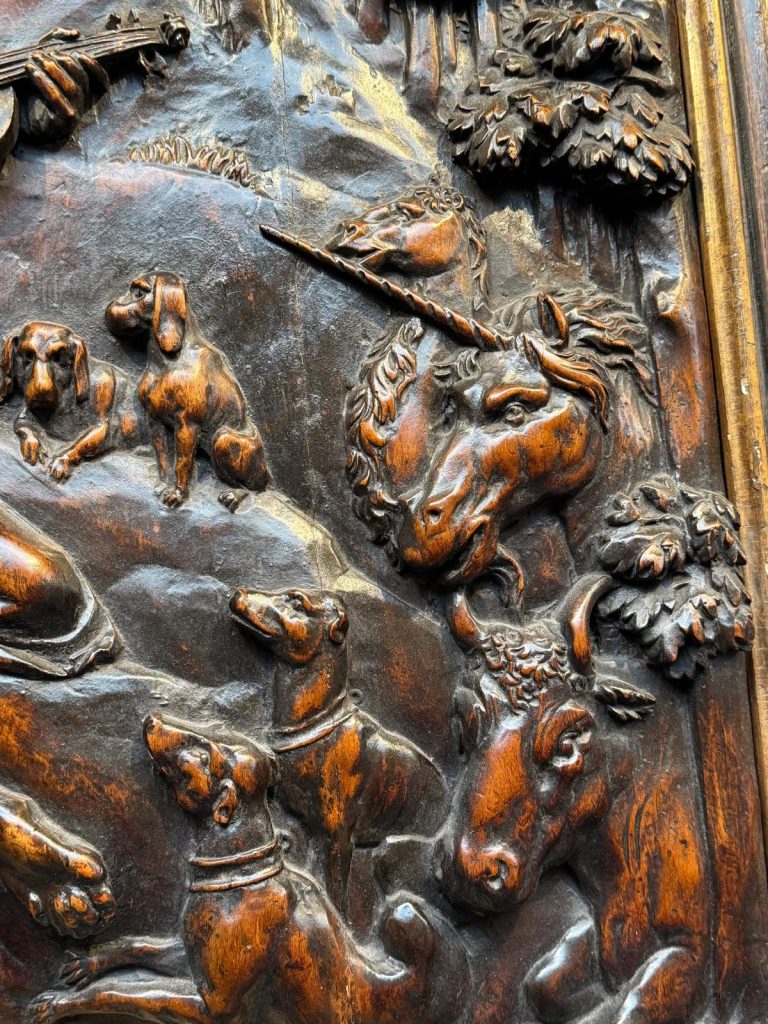
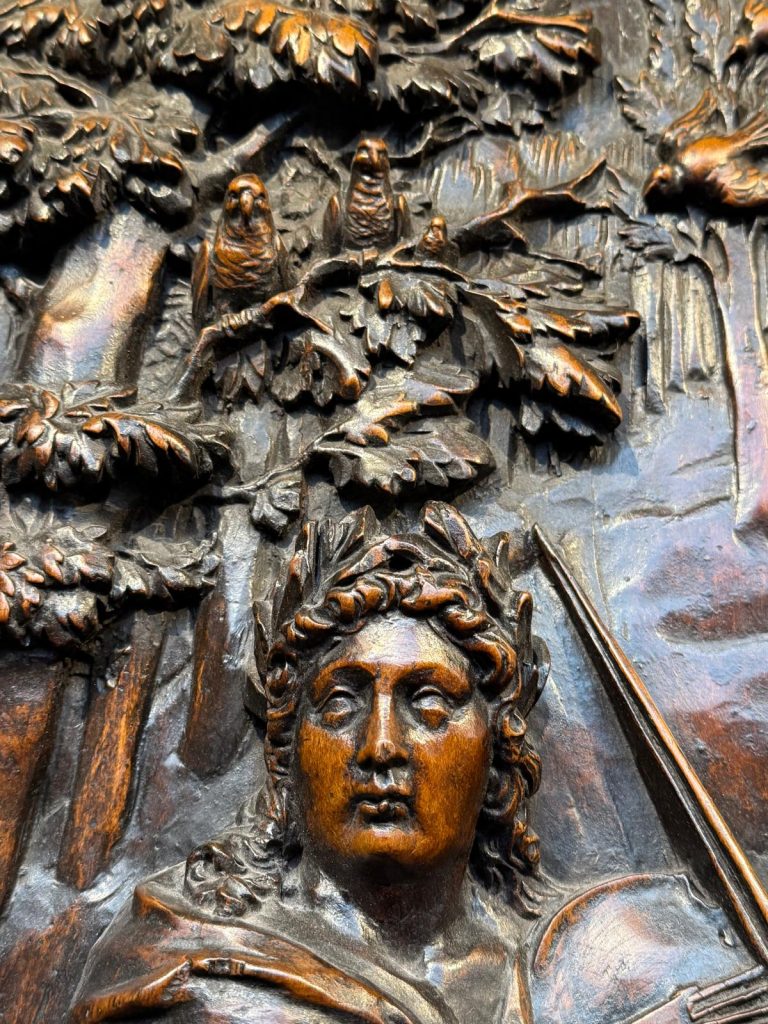
Price: £36,000
Dimensions: 103.5 x 93.3 cm X 7cm
This scene is inspired by a passage from the Metamorphoses by the Roman poet Ovid. Orpheus, the mythological Greek musician and poet, sung and played so sublimely that all the animals, even the fiercest, came up close to listen to him. The figure for Orpheus could well be modelled on Louis XIV.
Tom’s appreciation for this piece likely stems from his appreciation Greek mythology telling of heroic triumph and tragedy of love as portrayed in the classics. The story of Orpheus is one of profound love and loss, as he attempts to rescue his beloved Eurydice from the underworld, only to lose her again due to his own actions. This narrative resonates deeply with Tom, reminding him of the power and complexity of love, and the emotional depth that classical stories can convey
103.5 x 93.3 cm X 7cm
Provenance Yehudi Menuhin, London (1916-1999); Sotheby’s, London 11 May 2004; Pelham Galleries, London;
From whom acquired by Aso O. Tavitian at the International Fine Art & Antique Dealers Show, Park Avenue Armory, New York, 27th October 2005.
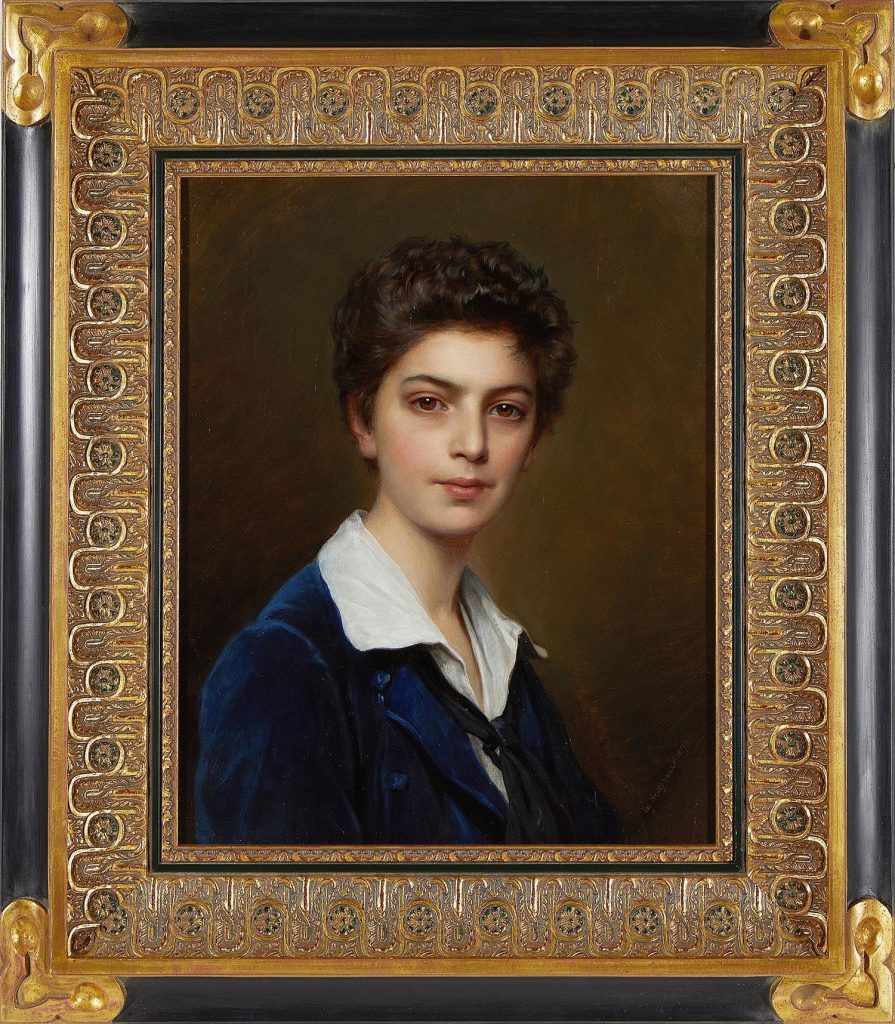
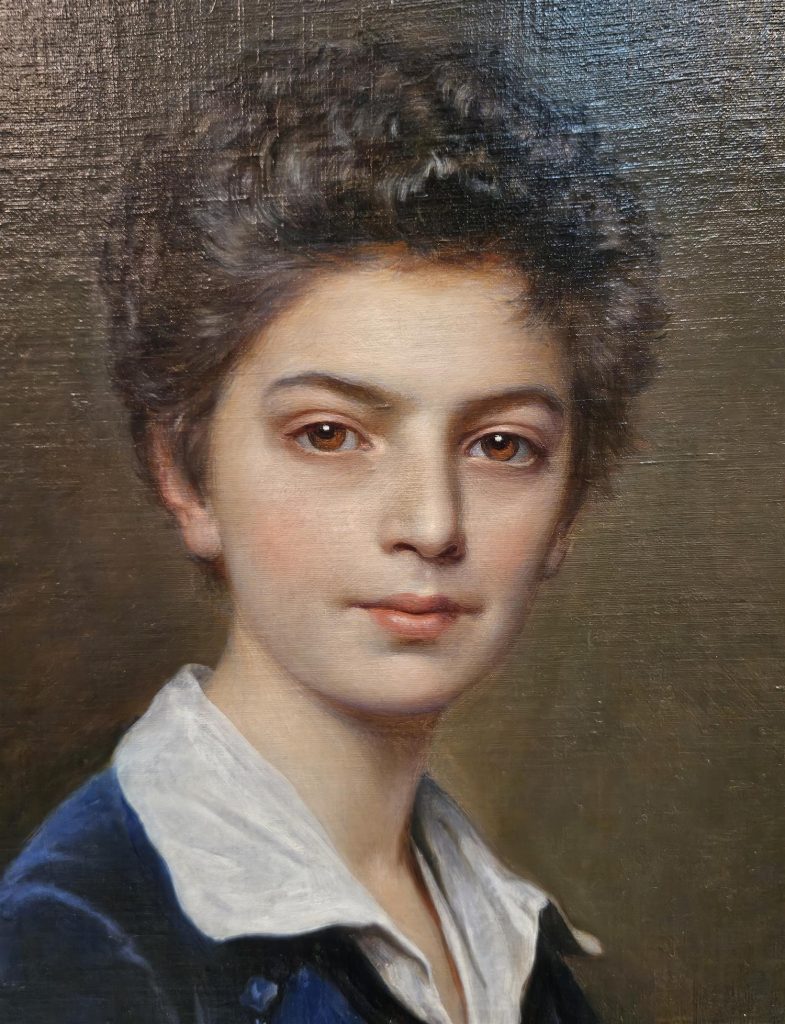
Price: £4,800
Dimensions: H20 1/2″ W16 1/2″
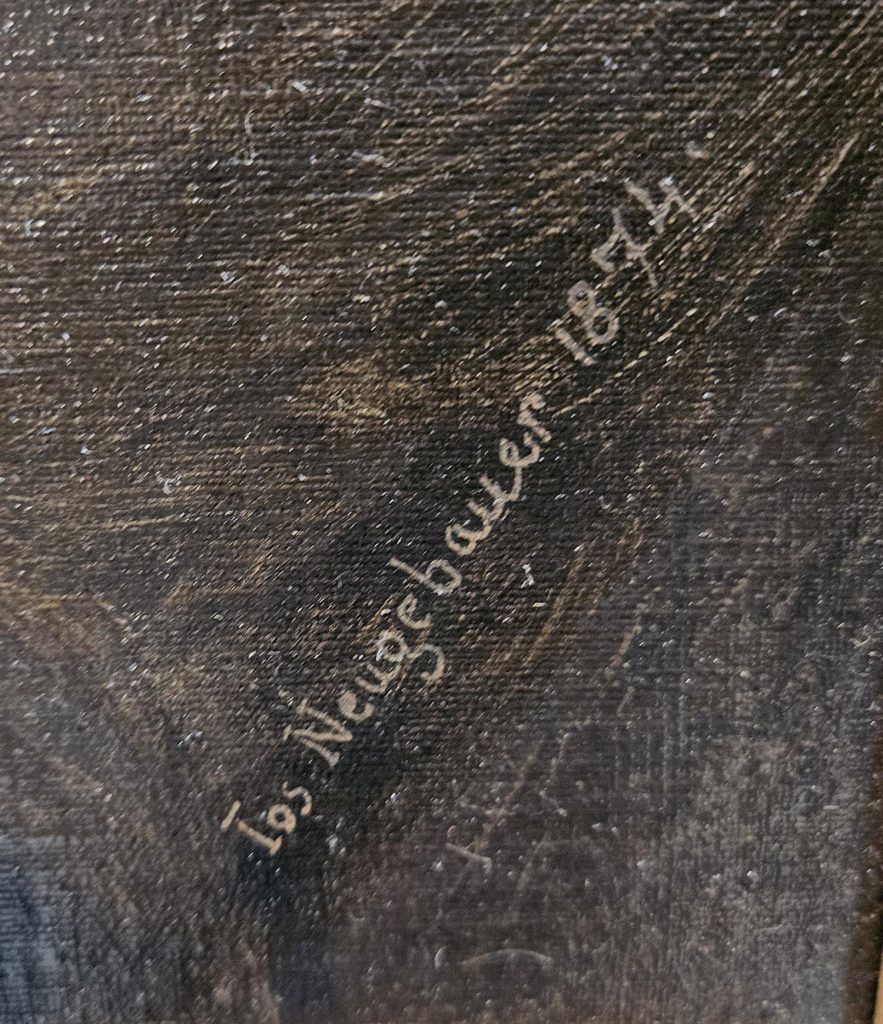
Josef Neugebauer (Austrian, 1810-1895)
PORTRAIT OF A YOUNG MAN (thought to be Prince Ludwig Hohenlohe)
oil on canvasboard, framed, signed & dated 1874
Provenance: Dorotheum, Vienna 10 Dec. 2003 (Lot 127)
Tom’s appreciation for this piece likely stems from its historical context and the emotional expression captured in the young boy’s face. The artist has captured the sensitivity of the young prince.
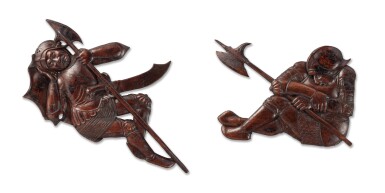
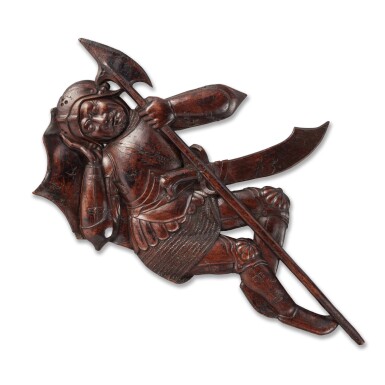
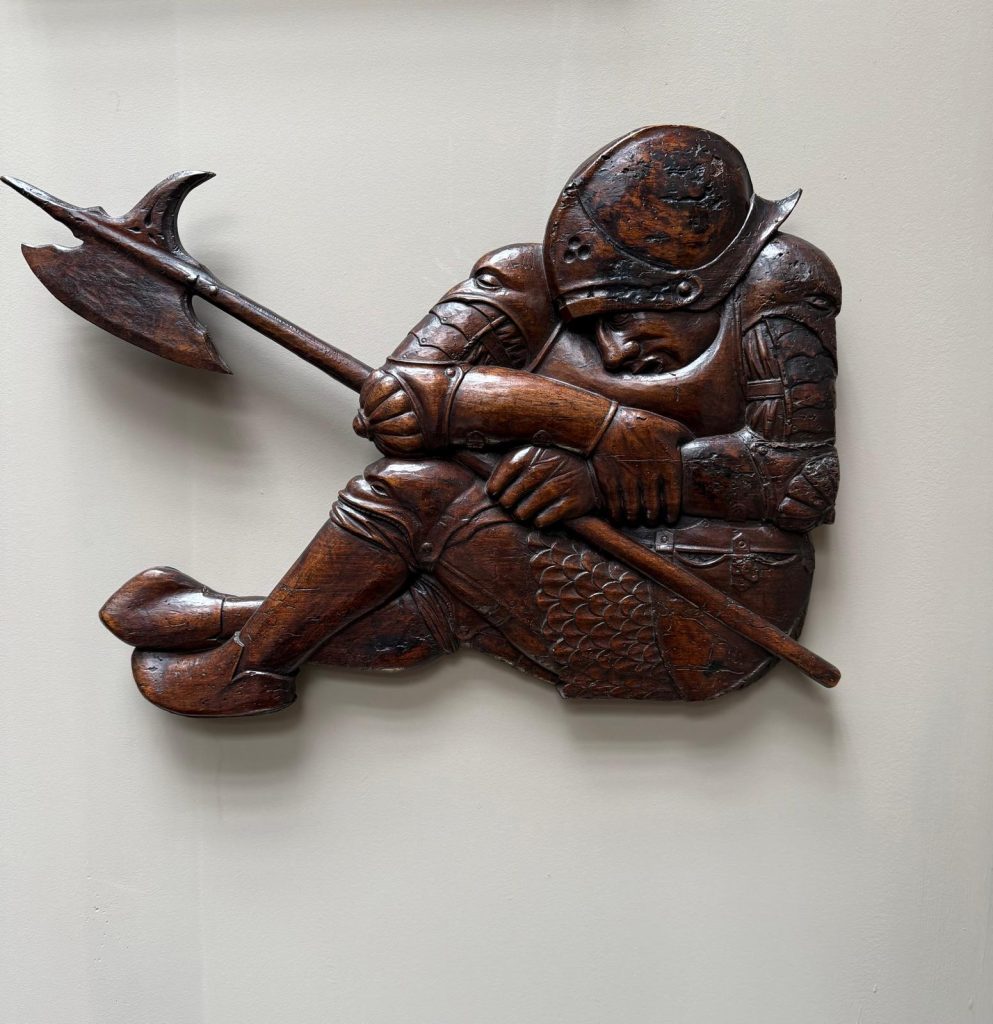
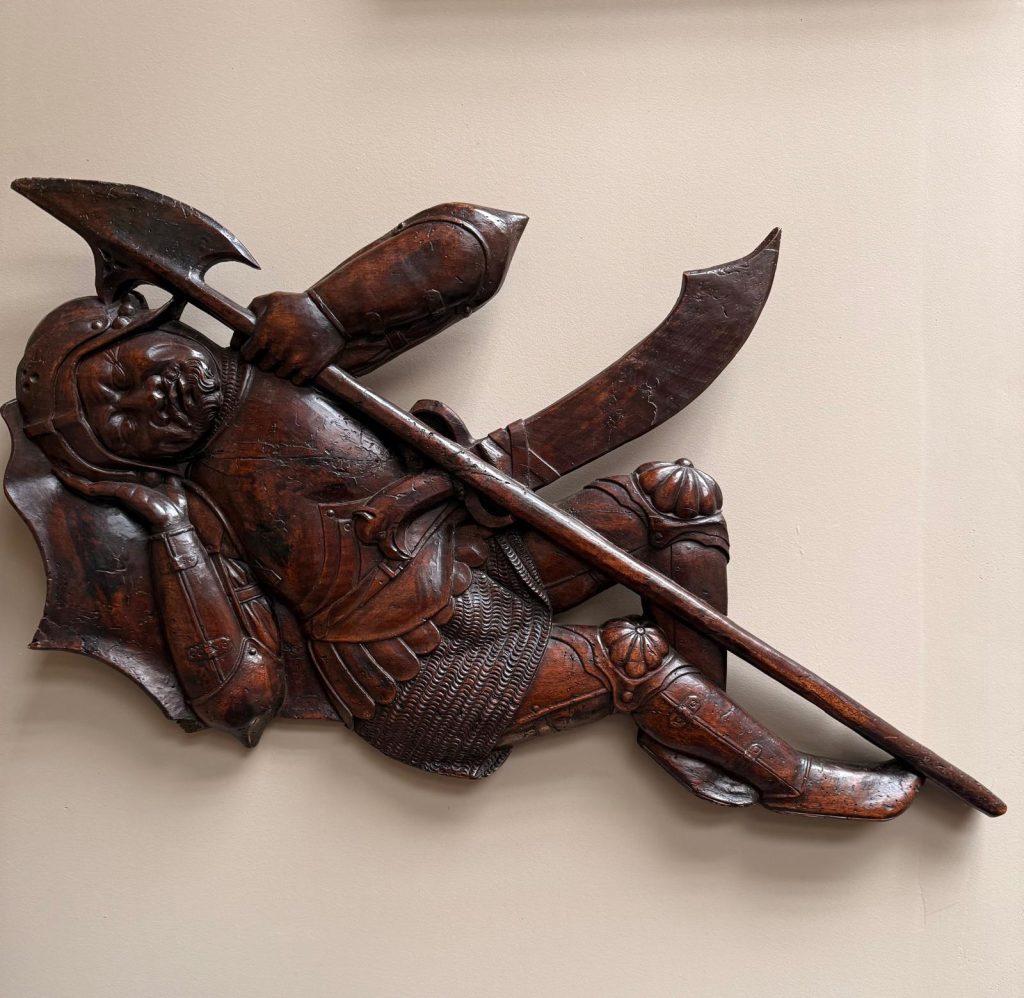
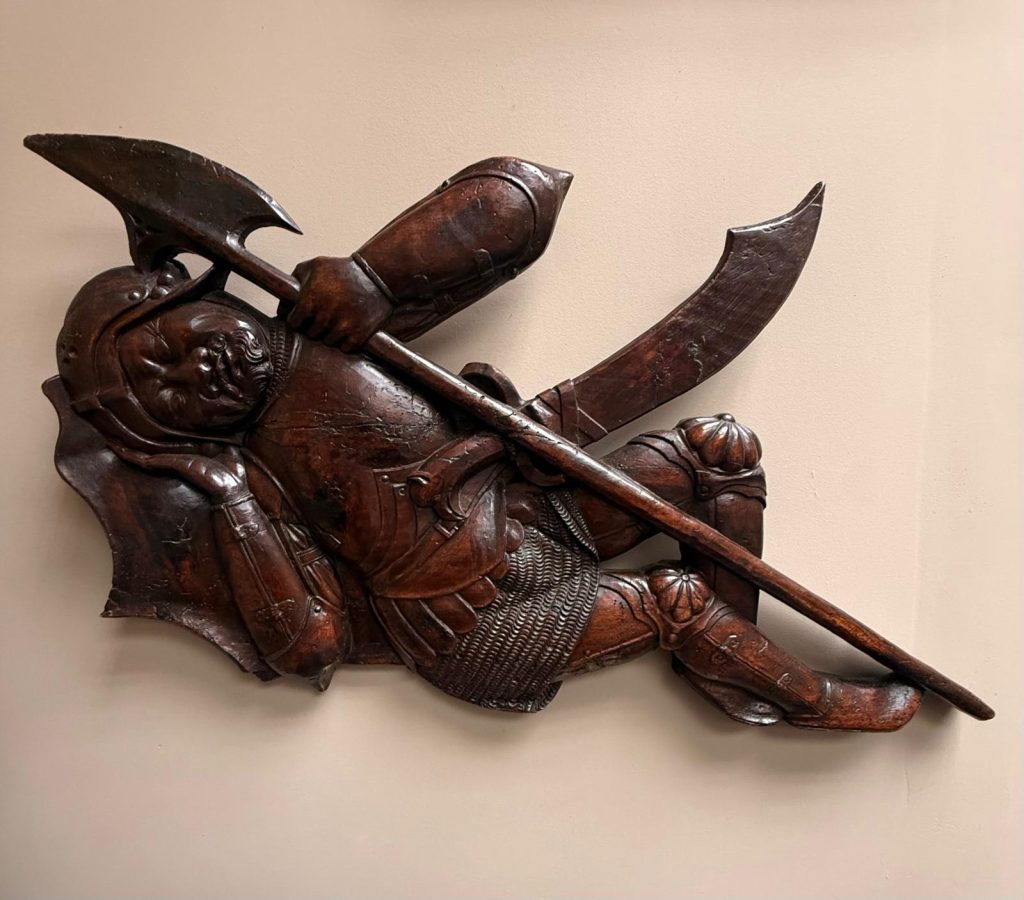
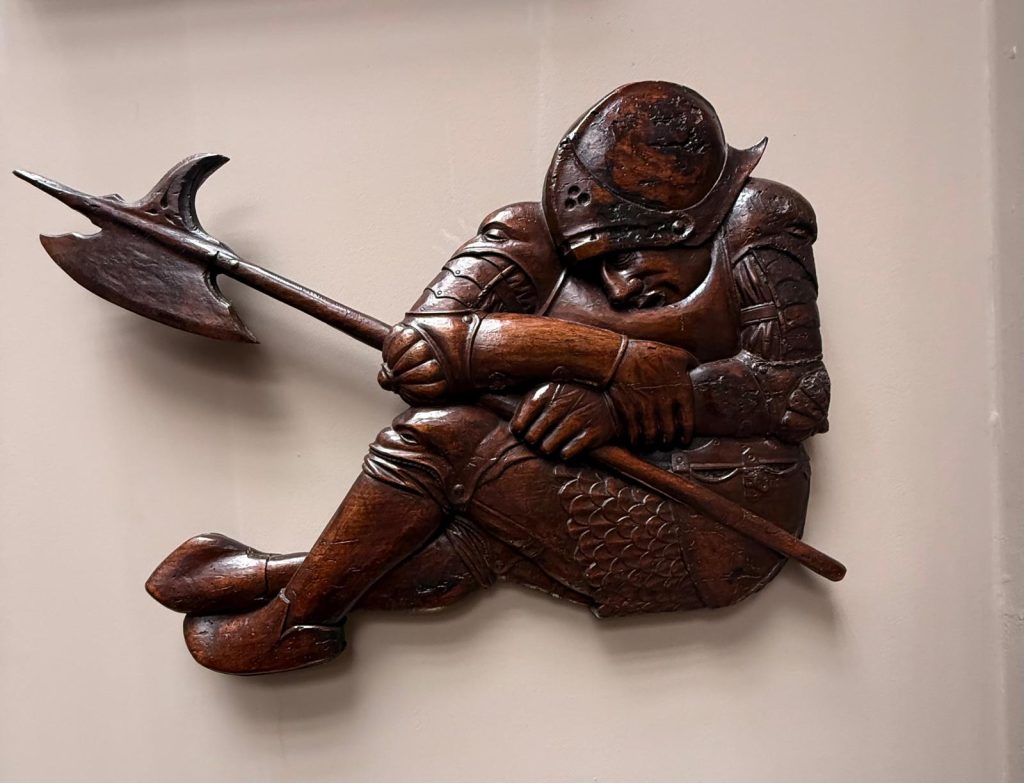
Price: £26,000
Dimensions: 84.4 cm; 44.5 cm, 46.4 cm; 66.7 cm
Continental 16th/17th Century
Carved walnut
Provenance
Peter Finer, London;
From whom acquired by Aso O. Tavitian at TEFAF Maastricht, 16 March 2012
Tom appreciates the intricate details and craftsmanship of these amazing carvings. He finds the artistry truly remarkable and is also amused by the subtle humor present in the designs. The combination of skill and wit makes these carvings particularly special to him.